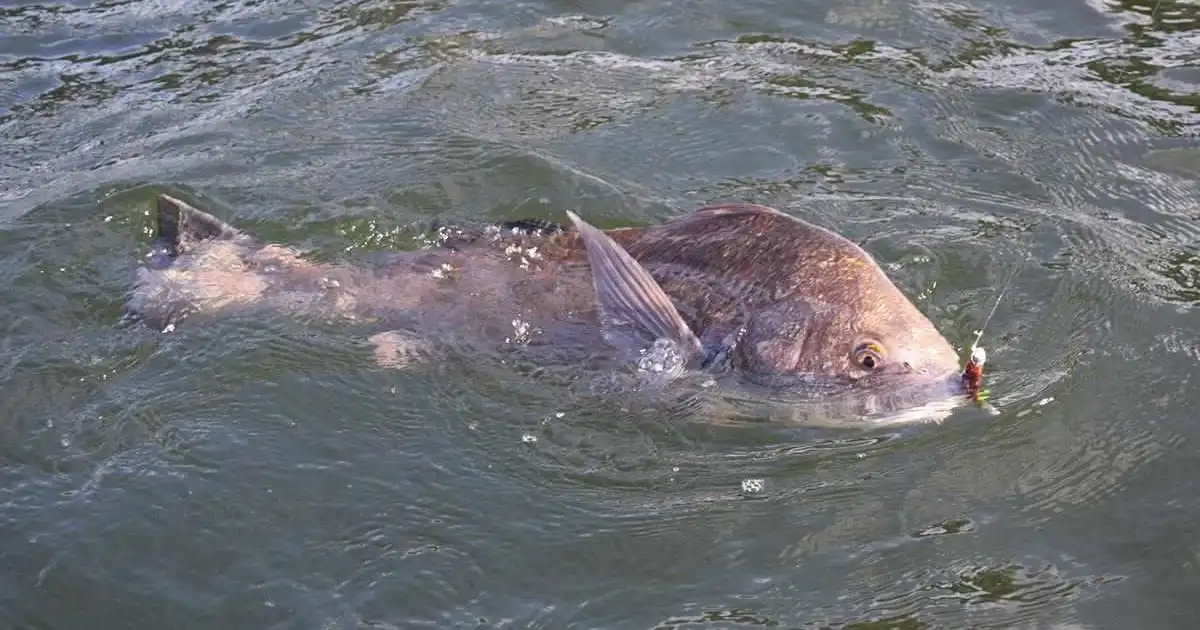
North Carolina's inshore saltwater habitats are home to one of the region's most accessible and rewarding fishing targets: the black drum (Pogonias cromis). From novice anglers seeking their first saltwater catch to experienced fishermen pursuing trophy-sized specimens, black drum provide consistent action throughout the state's coastal waters.
Unlike many saltwater species that require specialized techniques or expensive equipment, black drum fishing remains refreshingly straightforward. "You don't need fancy tackle, perfect casts, or fast retrieves," explained Captain Harvey Wall, owner of Salty Dawg Fishing Charters in Ocean Isle Beach. This forgiving nature has made black drum a gateway species for many anglers new to saltwater fishing.
"You don't need fancy tackle, perfect casts, or fast retrieves,"

Black drum congregate around predictable structure-rich areas including oyster bars, bridge pilings, and moving water locations such as the Intracoastal Waterway. Their feeding habits center around these areas where they use specialized chin barbels, commonly called "whiskers," to locate crustaceans and shellfish in the substrate.
"whiskers,"
The most effective approach involves simple bottom rigs paired with natural baits. "If you want steady action, shrimp and fiddler crabs will get it done," Captain Wall noted, while suggesting that anglers targeting larger specimens should upgrade to bigger crabs and adjust their presentations accordingly.
"If you want steady action, shrimp and fiddler crabs will get it done,"
What sets black drum fishing apart from pursuing species like redfish or speckled trout is the reduced emphasis on sight casting and lure presentation. Success depends more heavily on understanding fish behavior and habitat preferences. "It's far more about understanding where they feed – oysters, pilings, shell bottom, and current – than about lure choice or finesse," Captain Wall emphasized.
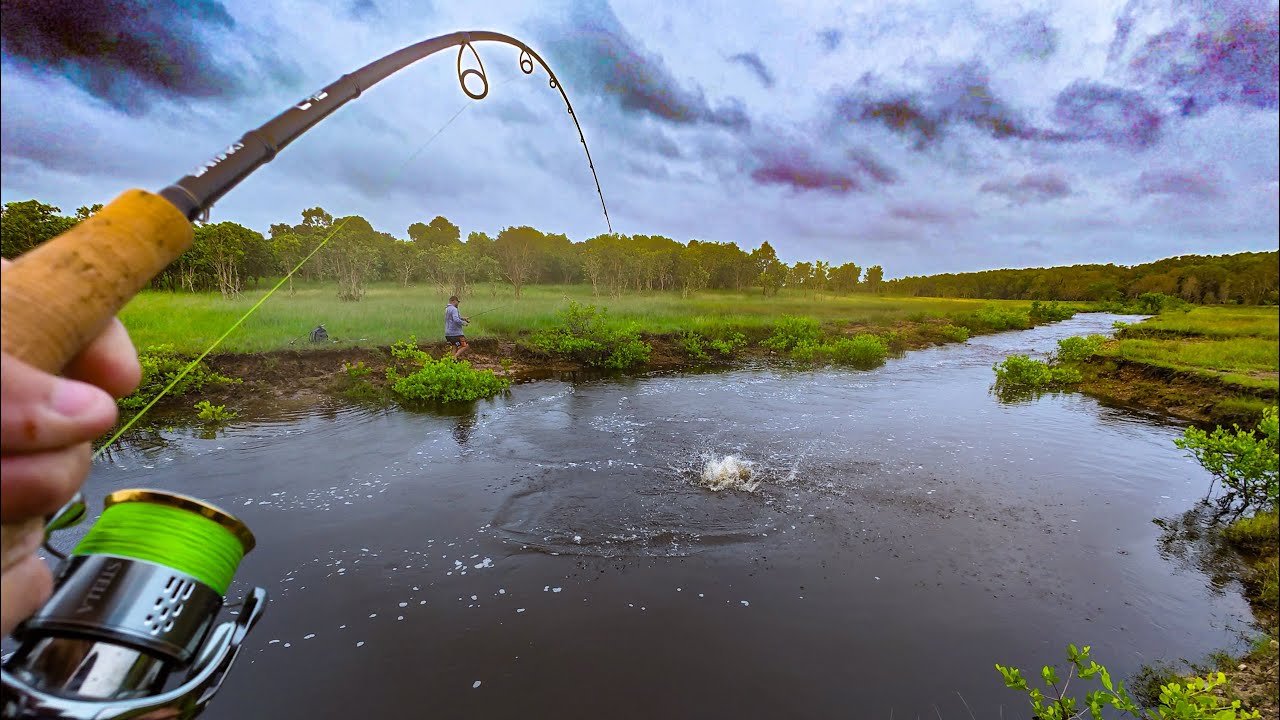
"It's far more about understanding where they feed – oysters, pilings, shell bottom, and current – than about lure choice or finesse,"
Proper identification becomes crucial for anglers, particularly given North Carolina's fishing regulations. Black drum undergo dramatic physical changes as they mature, making quick identification skills essential at boatside. "The goal here is simple: identify one quickly at the boat so you know what you're holding and can follow NC regulations with confidence," Captain Wall explained.
"The goal here is simple: identify one quickly at the boat so you know what you're holding and can follow NC regulations with confidence,"
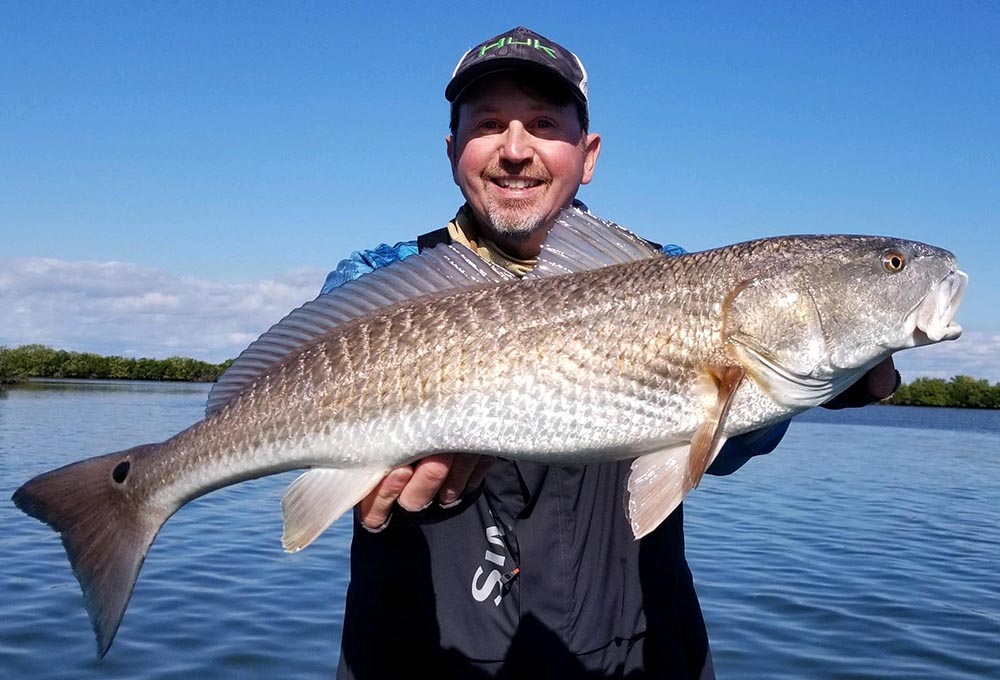
The most reliable identifier remains the distinctive chin barbels. "If it has whiskers, it's a black drum," Captain Wall stated, providing anglers with a foolproof identification method. These whiskers distinguish black drum from similar species like red drum, which lack barbels entirely and feature the characteristic tail spot absent in black drum.
"If it has whiskers, it's a black drum,"
Career Journey
Career Journey
Career Journey
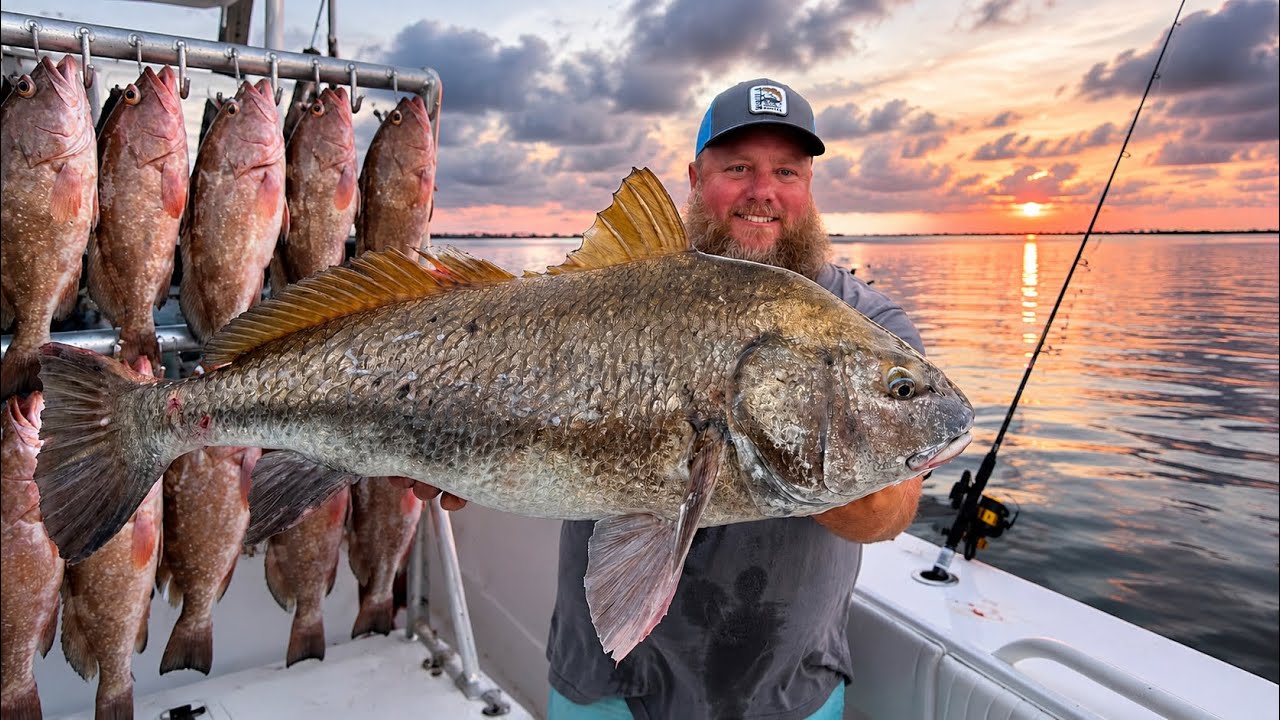
Juvenile black drum display prominent vertical bars across their deep, rounded bodies. As they mature, these bars fade, and the fish develop a dark bronze to nearly black coloration. Adult black drum can be confused with sheepshead, but sheepshead retain bold vertical stripes throughout their lives and possess distinctive "human-like" crushing teeth.
"human-like"
By the Numbers
By the Numbers
For those inspired by record catches, black drum offer impressive potential. The International Game Fish Association recognizes a world record black drum of 113 pounds 4 ounces, caught in Panama City, Florida. North Carolina maintains its own impressive state record of 104 pounds, landed at Cape Lookout in 2005.
Impact and Legacy
Seasonal patterns influence black drum behavior and angling success throughout North Carolina waters. The species remains available year-round, though their movements and feeding patterns shift with water temperatures and bait concentrations around structural elements. This predictability works in anglers' favor, allowing for consistent planning and targeting.
Spring marks a significant period when warming waters draw larger black drum to major structures. During this season, crab baits begin outperforming shrimp as the fish show increased preference for structure edges rather than shallow flats. The transition to warmer water triggers feeding activity that can produce some of the year's best fishing for trophy-class specimens.
Summer delivers perhaps the most consistent black drum action, particularly for smaller fish inhabiting creeks, docks, and oyster bars throughout the coastal system. Captain Wall recommends focusing efforts during early morning and late afternoon periods, especially in areas with moving water. As summer heat intensifies, successful anglers adapt their timing and location strategies to maintain productive fishing.
The accessibility of black drum fishing extends beyond technique to location. North Carolina's extensive network of bridges, oyster reefs, and tidal creeks provides abundant habitat within reach of both boat and shore-based anglers. The Intracoastal Waterway alone offers miles of productive black drum water, with consistent structure and current flow.
For dedicated anglers seeking greater challenges, pursuing larger black drum around heavier structure provides technical fishing opportunities. These situations demand stronger tackle and more precise boat positioning, but reward successful anglers with memorable battles and impressive fish.
The combination of year-round availability, forgiving nature for beginners, and potential for trophy catches positions black drum as one of North Carolina's most valuable angling resources. Whether introducing newcomers to saltwater fishing or providing seasoned anglers with consistent action, black drum continue to play a vital role in the state's recreational fishing landscape.