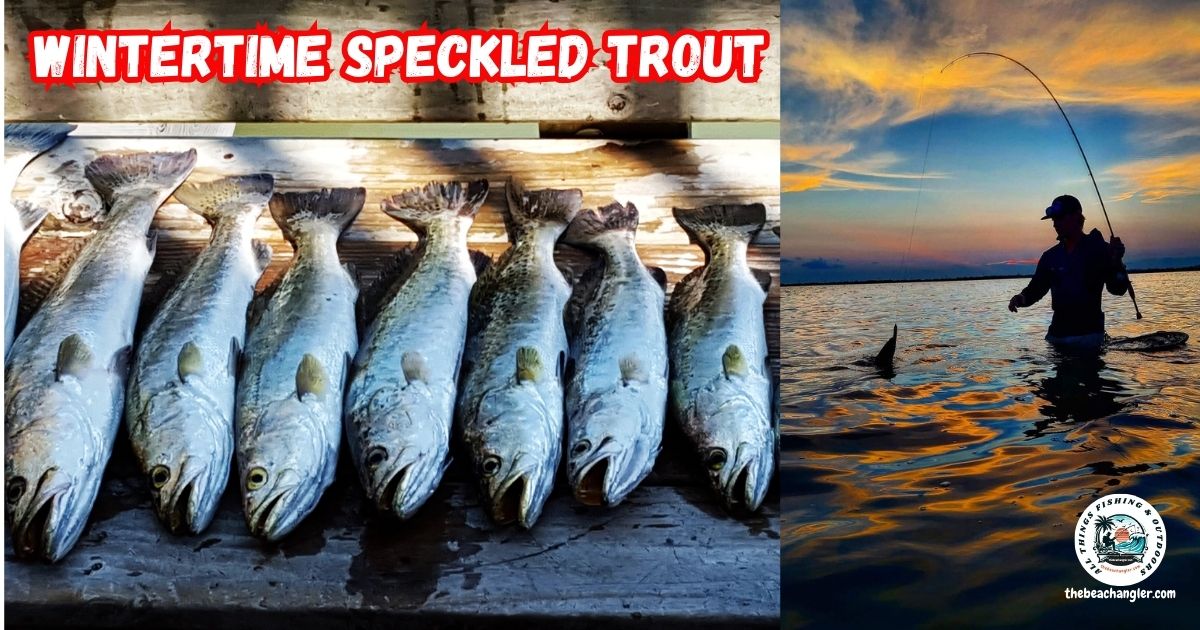
Winter fishing for speckled trout requires a change in strategy compared to warmer months. As temperatures drop, trout move into different areas of bays, rivers, and estuaries, making it crucial for anglers to adapt their approach.
"When cold weather hits, my first move is to focus on areas where water temperatures stick to a more even keel," shared an experienced angler. Cold weather drives fish away from extremely shallow water toward deeper spots that provide protection and a consistent food supply.
"When cold weather hits, my first move is to focus on areas where water temperatures stick to a more even keel,"

Deep areas like rivers, creeks, and channels are ideal for winter trout, as they maintain stable temperatures that don’t fluctuate dramatically. "I usually search for deep bends, holes near the mouths of bayous, or canals that are close to flats or grassbeds," the angler added. These transition zones offer trout easy access to feeding areas while safeguarding them from cold temperatures.
"I usually search for deep bends, holes near the mouths of bayous, or canals that are close to flats or grassbeds,"
Trout show a preference for structures such as submerged grassbeds, oyster bars, and areas with a mix of mud and shell. These not only help to maintain warmth but also attract baitfish seeking shelter. Signs of fish activity, like nervous bait or birds diving, can signal the presence of trout. Docks and bridges with deep pilings can become hotspots as the sun warms nearby waters later in the day.
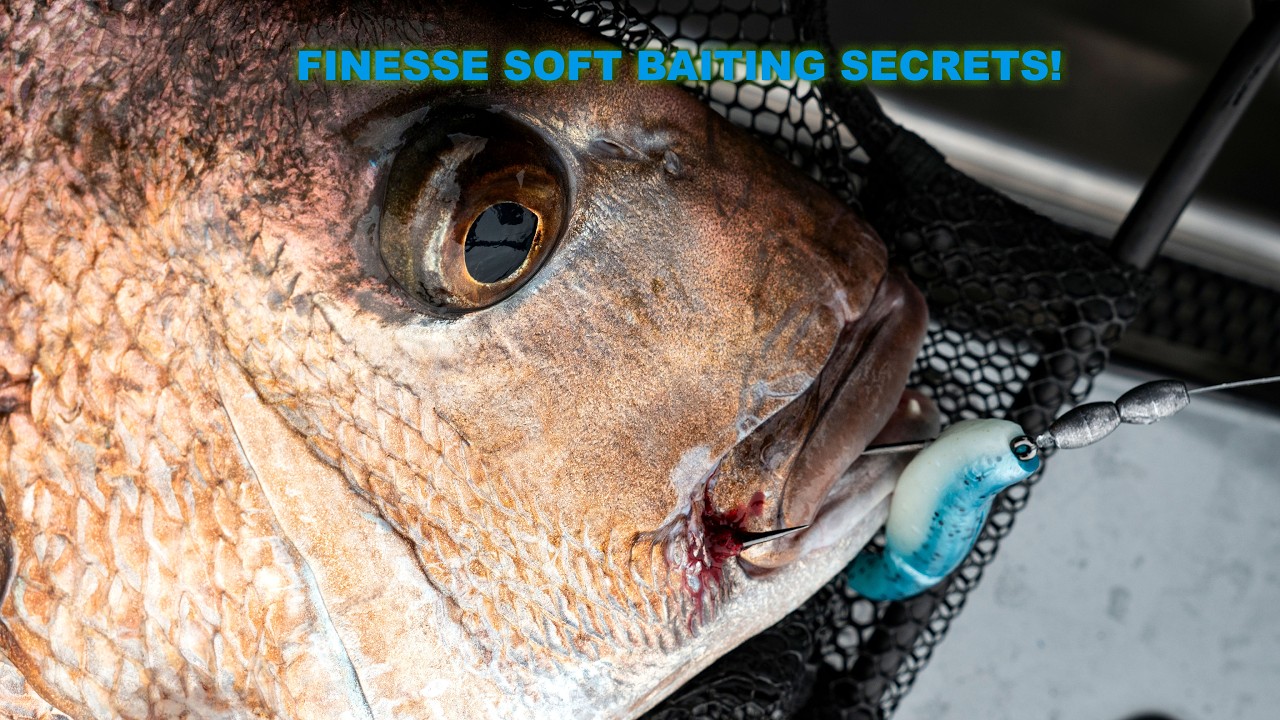
Choosing the right lures and baits is another vital aspect of winter fishing. "Colder water definitely changes how trout want to hunt," explained the angler. Downsizing lures to smaller soft plastics around three inches can be more effective, as winter baitfish tend to be smaller.
"Colder water definitely changes how trout want to hunt,"
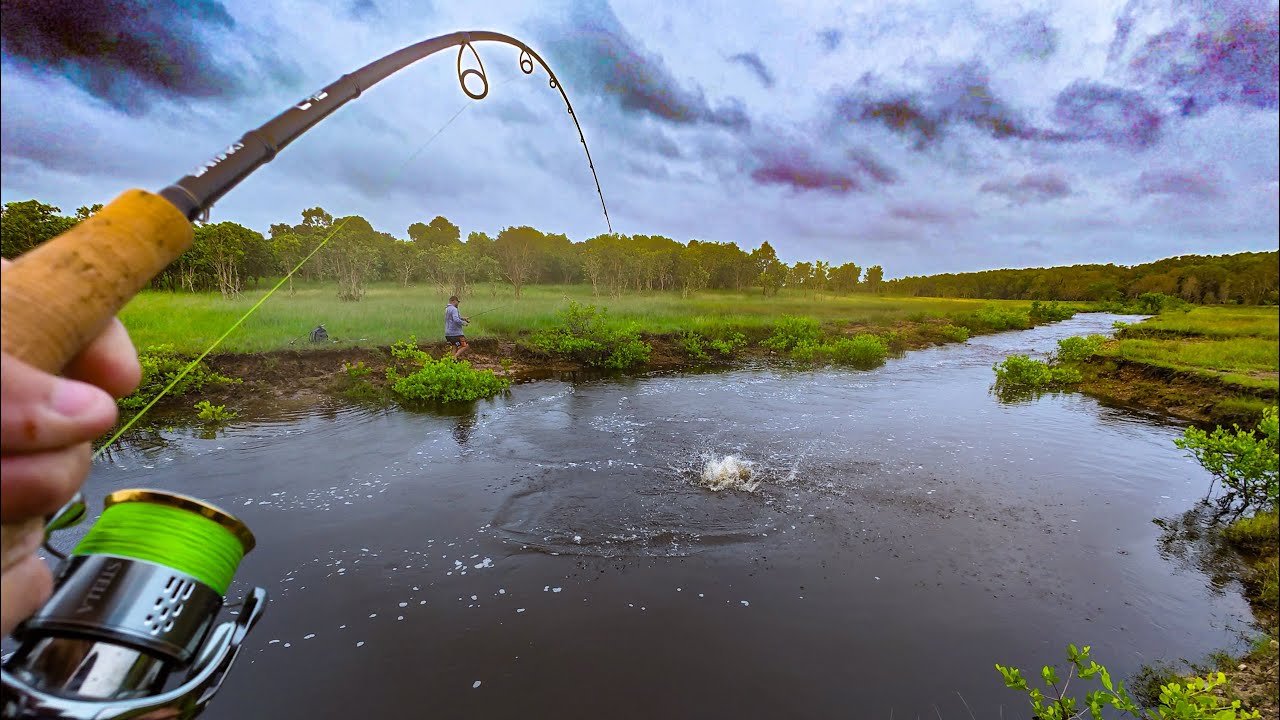
Color selection is also critical in winter months. "I go for darker base colors with a flash of something bright—think black or purple bodies with a chartreuse tail," the angler noted, which tend to work better in stained water during low-light conditions. In contrast, on clear days, natural shades with a hint of metallic flash, like silver or gold, may attract more bites.
"I go for darker base colors with a flash of something bright—think black or purple bodies with a chartreuse tail,"
Race Results
Race Results
Race Results
To counterquiet days, adding scent to lures, such as shrimp or mullet attractant, can entice reluctant trout. "Scented soft plastics or lures like Berkley Gulp! Shrimp sometimes trick reluctant trout into striking," the angler remarked. However, if lures don’t yield results, switching to live bait like shrimp or mud minnows—either rigged under a popping cork or with a light Carolina rig—can prove successful.
Race Results
Race Results
When it comes to fishing techniques, understanding trout behavior in colder water is key. "When the water gets really chilly, a trout’s metabolism slows to a crawl," explained the angler. Therefore, a slower retrieval method is essential. Adopting a patient, measured approach allows for better results.
"When the water gets really chilly, a trout’s metabolism slows to a crawl,"
"Patience is critical here, and if you stick with it, you’ll notice your catch rate goes up," the angler emphasized. For soft plastics, it is important to use the lightest weight possible to reach the bottom—typically between 1/8 and 3/8 ounce—and then work it gently along the seafloor. "Most of my bites come when the lure is sitting still," they added, indicating that lengthy pauses are often rewarding.
"Most of my bites come when the lure is sitting still,"
"Patience is critical here, and if you stick with it, you’ll notice your catch rate goes up,"
Race Results
When all else fails, experimenting with popping corks can be a game-changer, especially if trout are suspended or hanging near grassbeds. "The noise and movement can draw in curious trout," noted the angler. Using a slow hand to operate the cork allows for the best results, with a few seconds between each pop to keep trout interested.
"The noise and movement can draw in curious trout,"
In conclusion, while wintertime speckled trout fishing poses unique challenges, the satisfaction of landing fish during these months is immensely rewarding. By adapting your fishing tactics—focusing on the right locations, lures, and techniques—you can significantly increase your chances for success and enjoy the serene beauty of winter fishing.