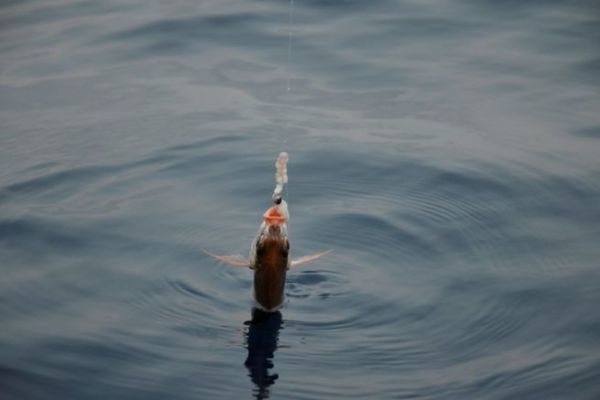
In the world of sea fishing, targeting pink bream requires precise techniques and strategic bait selection. These fish typically dwell in deep waters, ranging from 100 to 700 meters, often forming homogeneous schools. "Fishing for red seabream is mainly done at great depths," explained seasoned angler and author Laurent Duclos, emphasizing the importance of adapting one's approach to these depths. "Fishing is often done from a boat, using an electric reel or winch to lower multi-hook rigs filled with natural bait."
"Fishing for red seabream is mainly done at great depths,"
When it comes to bait, selecting robust natural options is crucial. The best choices include squid, sardines, prawns, sea worms, and small shellfish. Squid, particularly in the form of lanyards or tentacles, stands out as a favored bait for pink bream. "Squid stays firmly on the hook," Duclos pointed out, noting its resistance against the voracity of smaller bottom-feeders. To further secure these bait pieces, anglers are encouraged to use a rubber band for binding.
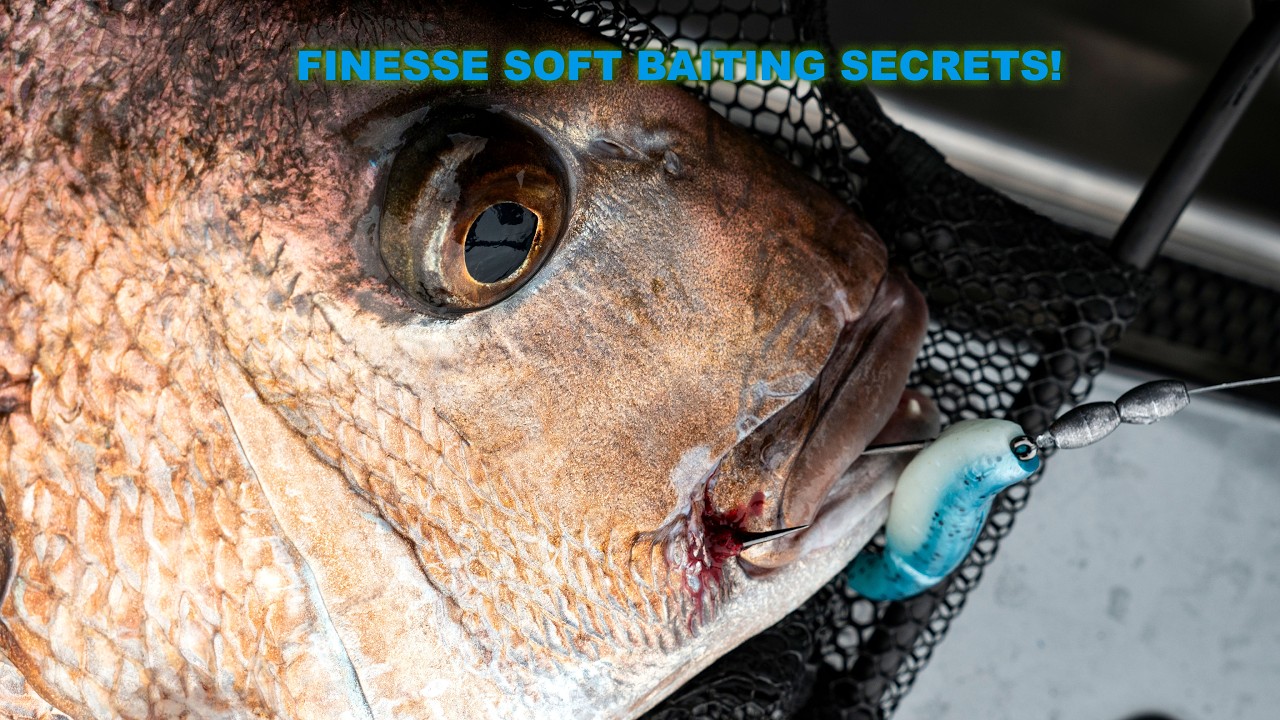
"Squid stays firmly on the hook,"

Sardines are another excellent option, known for producing strong scents that attract schools of pink bream. "They release a lot of scent into the water, which quickly attracts schools of red bream and helps fix the fish," shared Duclos. Prawns also rank highly, especially when secured with elastic, allowing them to maintain their position during bites. Sea worms, including American and sand worms, offer yet another attractive alternative, though they are acknowledged for being more delicate.
"They release a lot of scent into the water, which quickly attracts schools of red bream and helps fix the fish,"
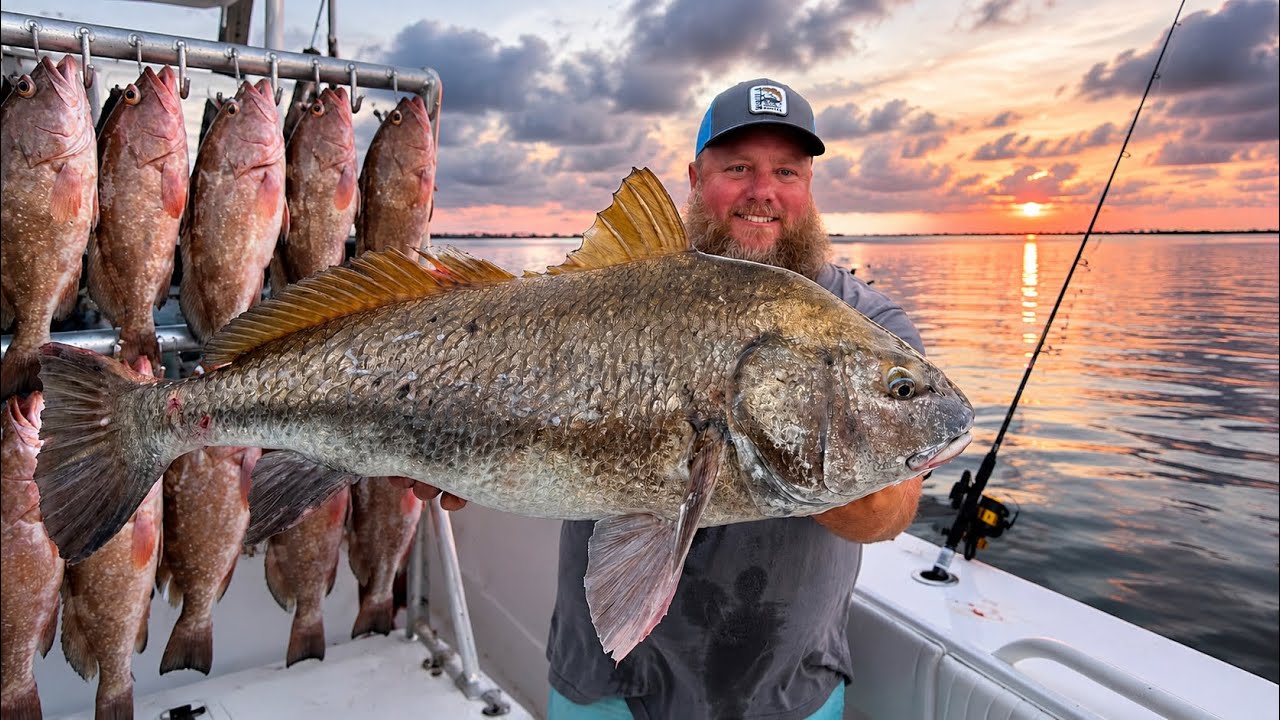
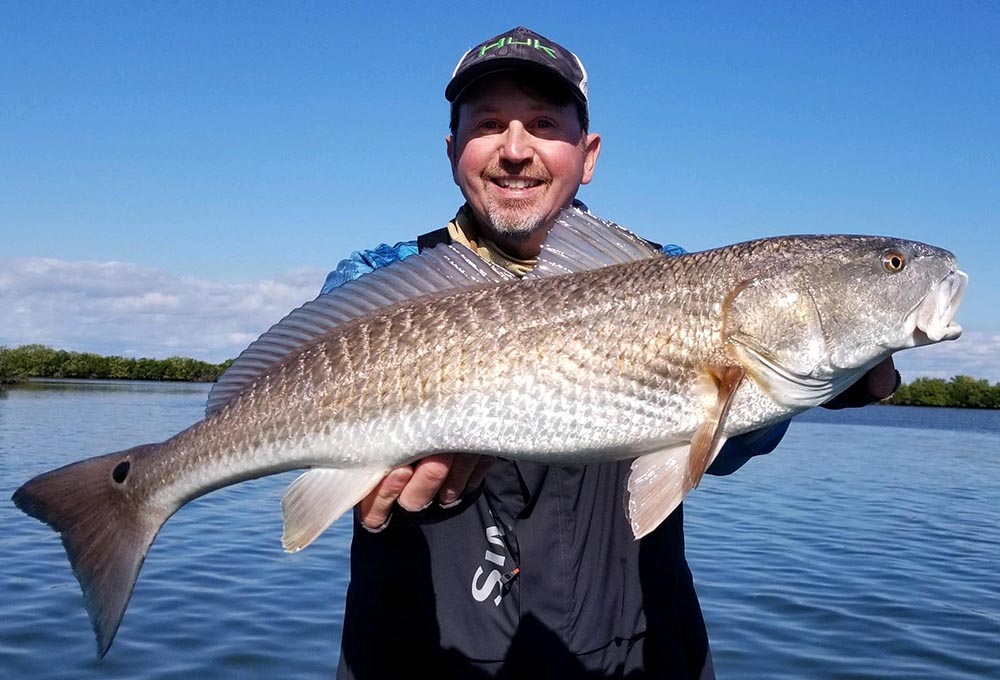
In addition to bait, the method of presentation holds equal importance. Experts recommend employing longline rigs or multiple hooks outfitted with glow-in-the-dark beads for greater appeal in the depths. "The presentation of the bait is just as important as its choice in attracting the often wary red bream," Duclos advised. "Catches are often larger at greater depths (beyond 200 meters) and fishing there is often more productive."
"The presentation of the bait is just as important as its choice in attracting the often wary red bream,"
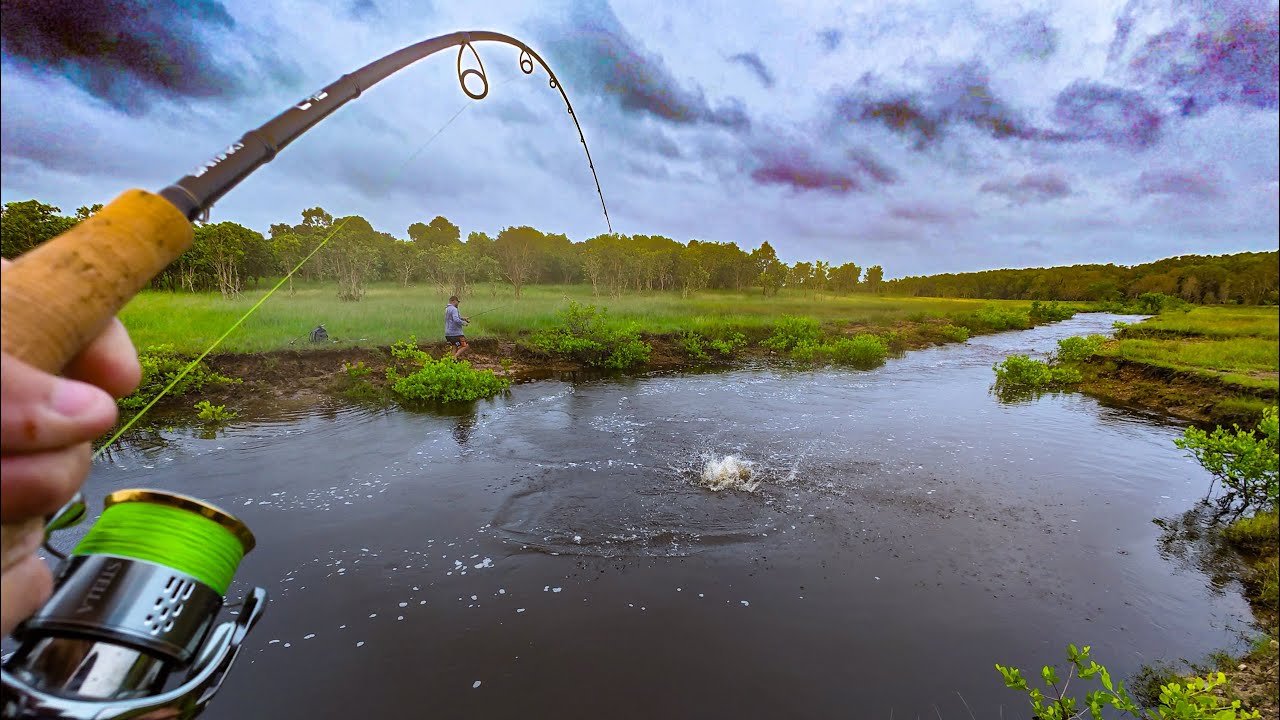
Anglers must also pay careful attention to gear tension as pink bream possess fragile mouths that can lead to losses if handled too roughly. "You should also pay close attention to shoeing and line tension," cautioned Duclos, reminding fishermen of the potential for many stalls caused by excessive force.
"You should also pay close attention to shoeing and line tension,"
Career Journey
Looking Ahead
Looking Ahead
Looking Ahead
Moreover, conservation is imperative when pursuing pink seabream, which are known for their slow growth and long lifespan. Adhering to local size limits is essential for sustainable fishing practices. "Respect the minimum size limit (33 cm in the Mediterranean and 40 cm in the Atlantic) to ensure future populations," emphasized Duclos.
"Respect the minimum size limit (33 cm in the Mediterranean and 40 cm in the Atlantic) to ensure future populations,"
Looking Ahead
In conclusion, fishing for pink bream provides an exciting challenge that requires meticulous preparation and respect for ecological sustainability. With the right bait and techniques, anglers can enhance their catches while contributing to the preservation of this species for future generations. As fishing enthusiasts continue to share their insights, the art of catching pink bream will surely evolve, making every outing a new adventure.