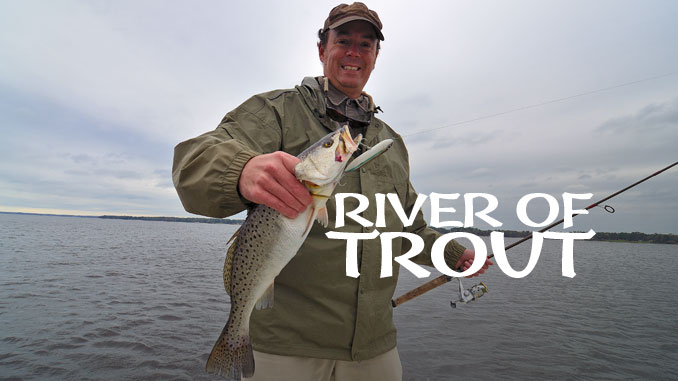
With the transition from summer’s heat to the cool embrace of fall, the Neuse River buzzes with excitement for avid anglers targeting speckled trout. This waterway, flowing through North Carolina and into the expansive Albemarle-Pamlico Sound, stands out as an incredible destination for those looking to cash in on fall fishing opportunities.
“The Neuse River provides a tremendous buffet for speckled trout in the fall,” said Dave Stewart, a seasoned guide from Knee Deep Custom Charters. Located in Minnesott Beach, Stewart notes that this season kicks off his most productive speck fishing period, as [cooler](/gear/cooler) water temperatures invite trout to migrate upriver.
The Neuse River, the longest river entirely within North Carolina, plays a pivotal role in supporting the region's fishing environment. It serves as a artery for nutrient-rich waters flowing into the Albemarle-Pamlico Sound system, the second largest estuary in the United States. This natural setup fosters a thriving habitat for many fish species, including speckled trout, which become highly active in the fall.

“Most of the speckled trout in our waters are resident fish. They don’t seem to migrate like many other fisheries along the east coast,” Stewart explained. Instead of moving long distances, these trout circle back, spawning in the Pamlico Sound during summer, then wintering in deeper inland creeks as the temperatures dip.
As fall sets in and water temperatures drop, the trout begin their approach towards wintering grounds. “They stage up, concentrating in schools along the river’s edge and at creek mouths,” he added, emphasizing the importance of monitoring temperature changes for successful fishing.

Anglers looking to catch these trout should focus on specific creeks such as Slocum, Northwest, Upper Broad, and Baird that dot the river between Minnesott Beach and New Bern. “Places with deeper water and structure along the river and inside the creeks are prime locations to find a school of fish,” Stewart remarked, underlining where anglers may want to concentrate their efforts.
“Trout congregate around places abundant with bait,” Stewart elucidated. Targeting the shorelines near creek mouths can enhance the chances of a successful catch this time of year. “While the trout won’t be all the way in the back of the creeks yet, there will be a steady flow of fish coming in to feed. Work the cuts and coves near the mouth for the best opportunity,” he noted.
Championship Implications
Championship Implications
Championship Implications
“It’s beneficial to check the center of these channels,” Stewart suggested. “We often get on a solid bite right in the deepest parts of the creeks.” This observation points to the strategic approach needed to adapt to the fish’s movement patterns.
In terms of bait, the variety available in October and November for speckled trout is robust, ranging from year-round menhaden to seasonal mullet and shrimp. With numerous choices, anglers can experiment with various lures, but Stewart has his favorites.
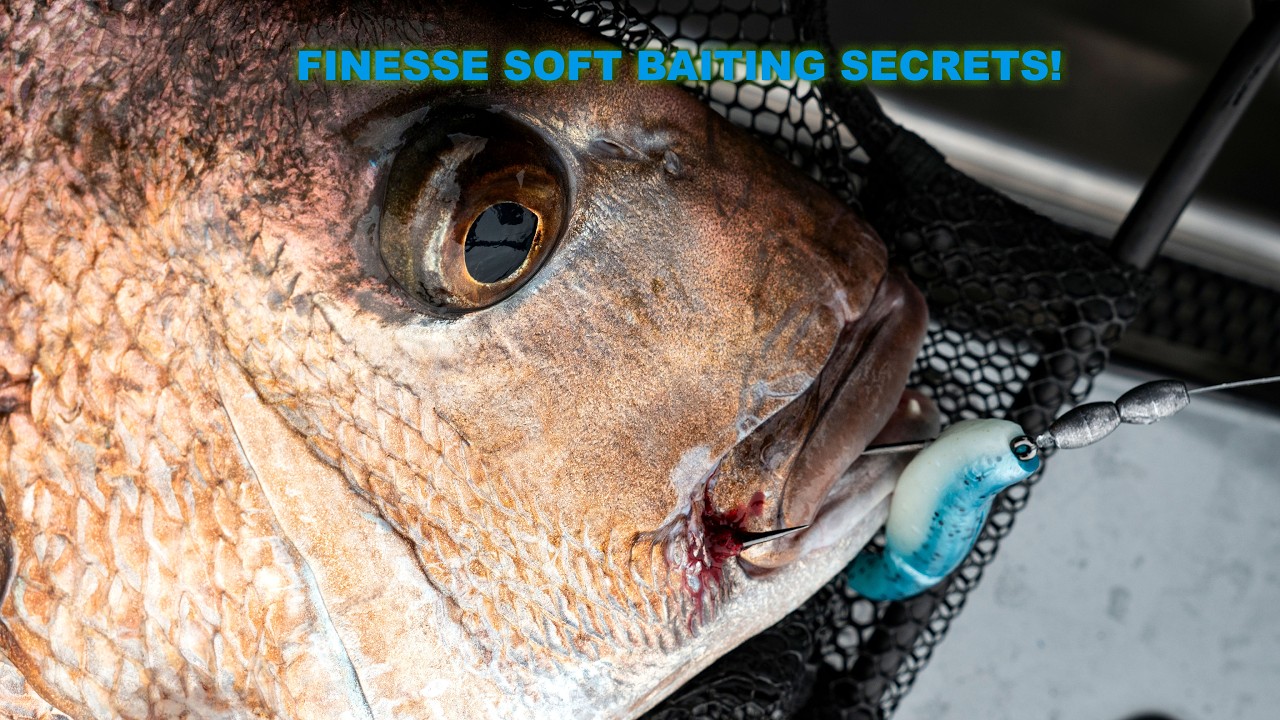
“My first choice is always going to be a light jig with a 3- or 4-inch D.O.A shadtail or the 2 3/4-inch D.O.A. shrimp,” he said, indicating that these options effectively mimic the local forage.
Stewart’s use of lighter jigheads—typically in the 1/8- or 3/16-ounce range—reflects the lack of current in this area of the estuary. “I fish both jigs and shrimp close to the bottom, twitching them along,” he said, emphasizing the critical tactics that can lead to a successful fishing outing.
With speckled trout relying heavily on their eyesight to locate food, the Neuse River's tannic waters call for anglers to be observant of light conditions. Proper lure selection combined with a strategic approach focusing on deep structures and abundant bait may yield a fruitful experience this fall.
Looking Ahead
Looking Ahead
In the midst of exciting fishing prospects, Stewart encourages both novice and experienced anglers to enjoy the thrill of being on the river as trout season reaches its peak. As temperatures drop further and trout prepare for winter, the Neuse River will undoubtedly remain a prime locale for creating unforgettable fishing experiences.