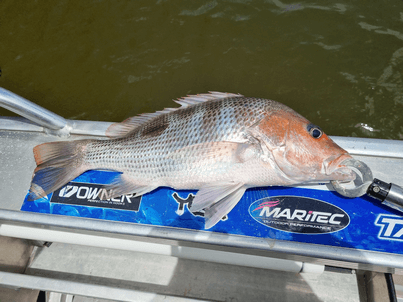
Fingermark fishing is a popular pastime that draws enthusiasts from both local and international waters, especially in Central Queensland where the species thrives. "Fingermark (L.johnii) and Mangrove Jack (L.argentimaculatus) are two well-loved members of the Lutjanid family found in our coastal and estuary waters," shared a local angler familiar with the area’s rich fishing culture. While both species belong to the same family and share similar habitats, they exhibit notable differences that seasoned fishermen should understand.
One of the defining characteristics is their social behavior. Fingermark are known for their gregarious nature, often seen schooling together. “While you will find them schooled up feeding, their cousins, Mangrove Jack, tend to be more solitary, preferring to hunt alone,” explained another local expert. This social behavior plays a crucial role in fishing strategy, as targeting groups of Fingermark can often lead to greater success during fishing expeditions.
In terms of habitat preference, Fingermark are typically found in deeper waters with a gravelly bottom, where they thrive by foraging. On the other hand, Mangrove Jack favor moving into mangroves during high tide, hunting for food in the shallows. "The habitat differences really define where and how we fish for these two species," remarked a veteran fisherman. The larger size of Fingermark—which can grow significantly larger than Mangrove Jack—also makes them a desirable target for anglers.
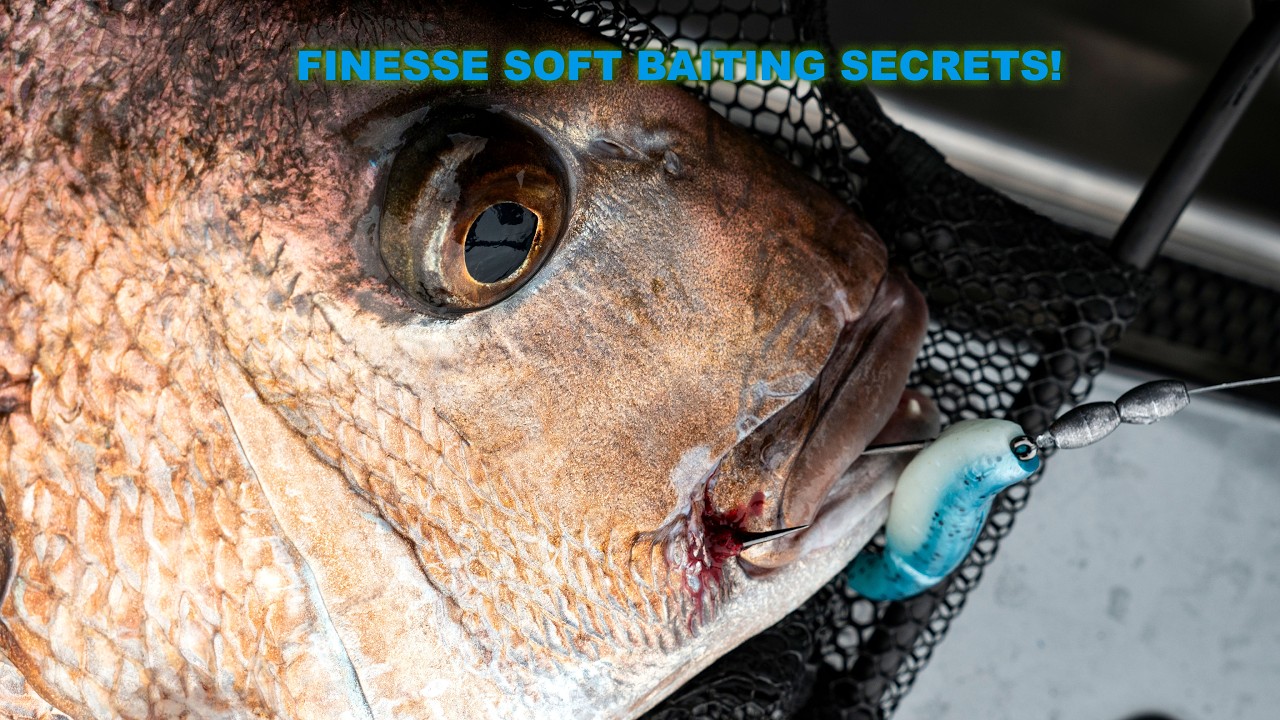
"The habitat differences really define where and how we fish for these two species,"

Throughout the year, particularly in Northern Australia, Fingermark can be found in abundance, making them a year-round target species for both fly and lure fishing. "Even in the colder months, Fingermark reduce their metabolic rate but can still be pursued in certain locations," an experienced fisher noted. As waters warm in late spring, these fish become more active, increasing their food intake and making them prime targets for anglers. Both juvenile and mature Fingermark inhabit estuaries, with larger specimens moving beyond inshore areas into deeper waters.
"Even in the colder months, Fingermark reduce their metabolic rate but can still be pursued in certain locations,"
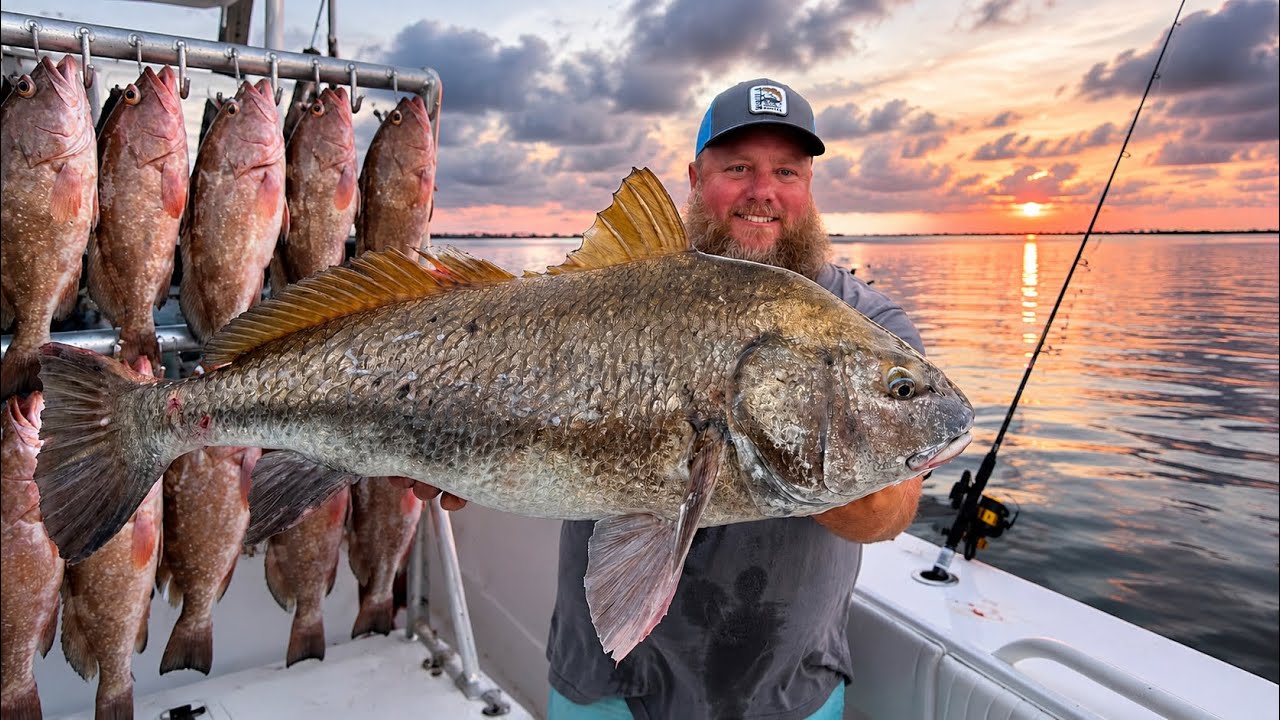
“The average Fingermark around 40 cm is a powerhouse, displaying incredible strength and fighting ability,” said a fishing guide who regularly leads charters in the region. Even smaller Fingermark exhibit strong fighting characteristics, giving anglers an exhilarating experience when hooked.
Fingermark are opportunistic feeders, where they act both as scroungers and predators. “They will forage around the gravel bottom or in structures for food, while at the same time using ambush tactics by waiting for prey to come to them,” elaborated a marine biologist studying the species’ feeding habits. This dual strategy indicates where anglers might best position themselves for a successful catch.
To maximize fishing success, understanding the habitats frequented by Fingermark is vital. “Our coastal and estuary waters host a variety of habitats including deeper pockets near mangrove-lined shorelines,” shared a local ecological expert. Many anglers find success near structures such as bridges, jetties, and mooring locations. However, it is essential to consider depth, as Fingermark may retreat to deeper areas at low tide when shallow conditions arise.
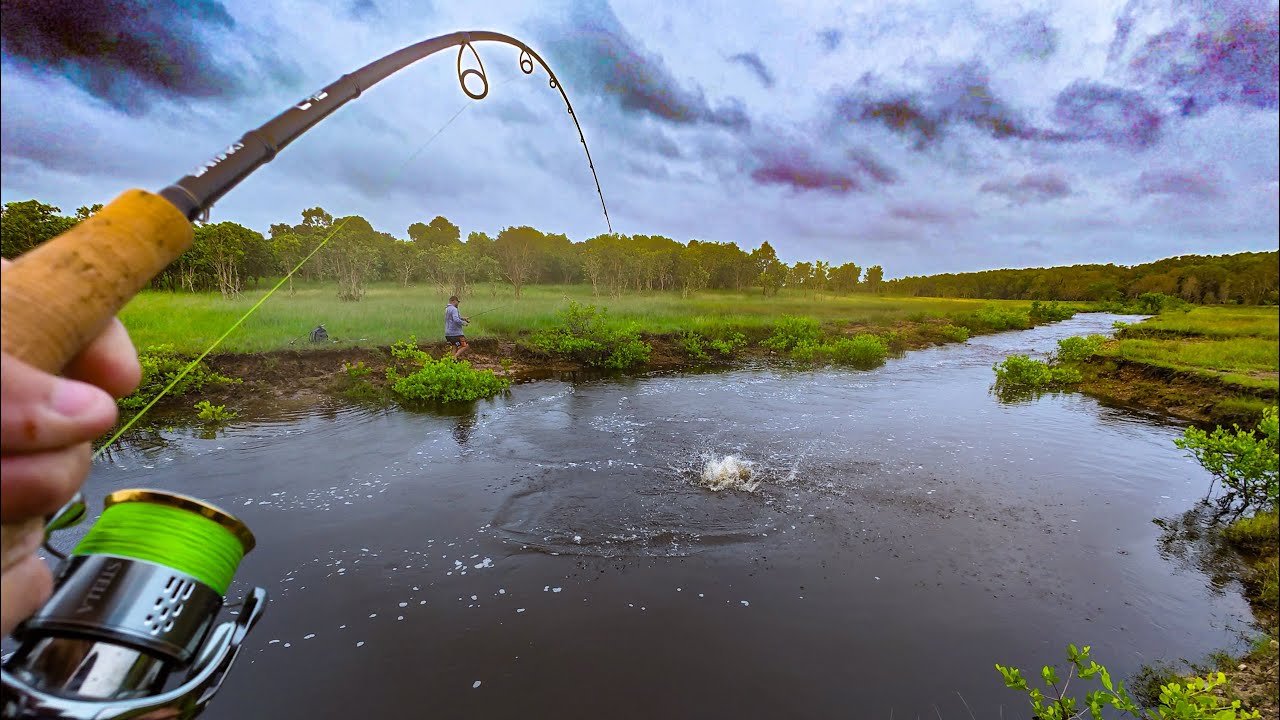
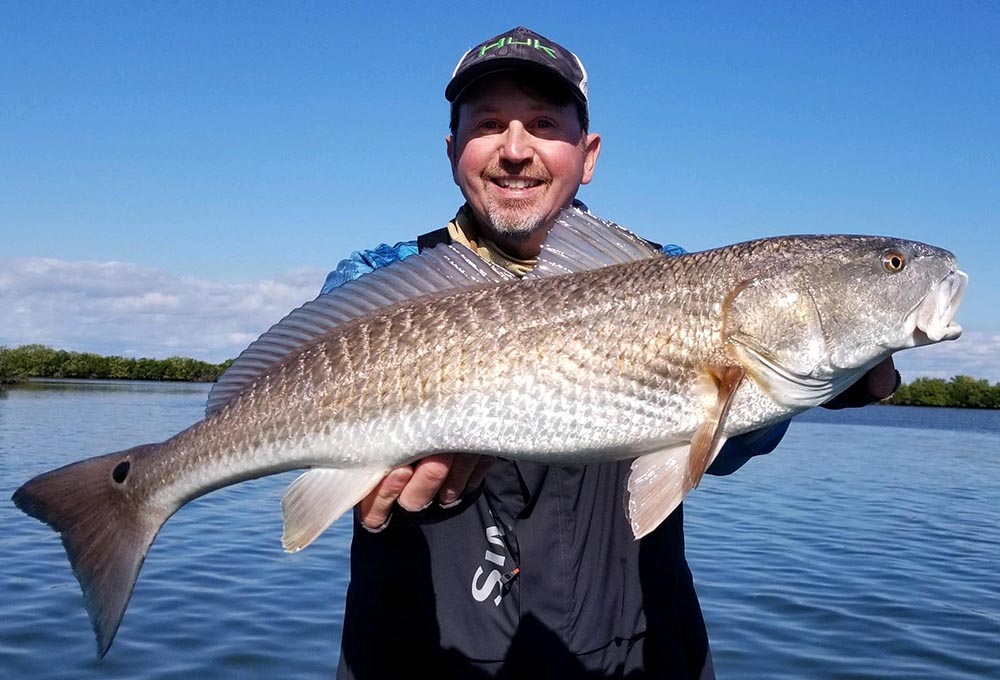
"Deeper retreats are excellent spots for finding Fingermark, especially when they are located near gravelly areas or structures like rock bars and sunken timber," advised a seasoned guide. Scouting these locations during low tide can help pinpoint the optimal fishing spots. Anglers in the Gladstone area have reported success in the deeper waters near structures of coastal rivers, including those around the Calliope River, South Trees Inlet, and the Boyne River. Additionally, the mangrove-lined backwaters present more opportunities for productive Fingermark fishing.
"Deeper retreats are excellent spots for finding Fingermark, especially when they are located near gravelly areas or structures like rock bars and sunken timber,"
As the fishing season continues, anglers are eager to optimize their techniques and increase their chances of landing a Fingermark. With knowledge about their habits and the best fishing strategies, many look forward to what promises to be an exciting season in Central Queensland's estuarine waters.