
Flounder fishing at Sebastian Inlet presents both exciting opportunities and challenges for anglers. These fish, known for their tricky behavior, require strategic techniques to successfully catch. As an avid fisherman notes, “These little flat bastards are one of the easiest, and hardest fish to catch!” The two most effective methods for catching flounder here are utilizing live bait and jigging.
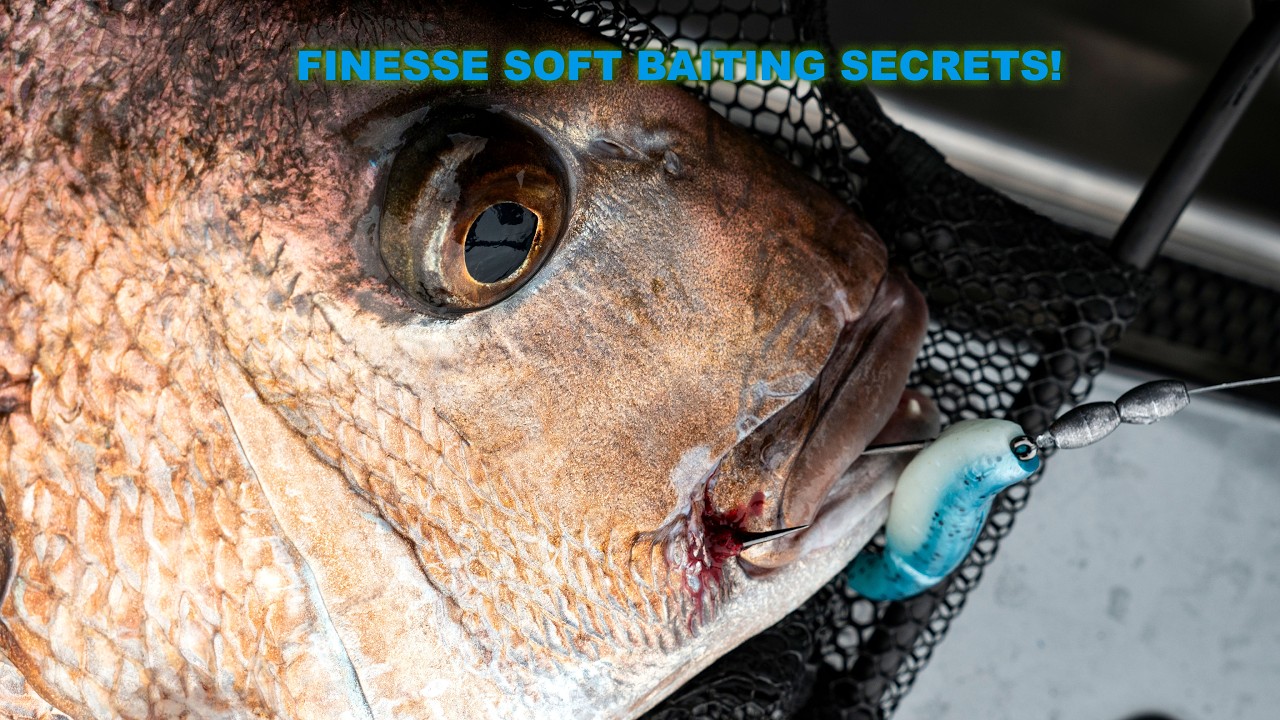
Jigging is often touted as a straightforward and effective technique for landing flounder. Anglers should equip themselves with a light action fishing rod and an assortment of jig heads. Tipping the jig head with various bait options—such as live shrimp, mullet strips, or even artificial alternatives—is essential. “Jig head with live shrimp” or using “Berkley 'Gulp' shrimp,” which is both scented and more durable than live shrimp, are some popular choices.
Once you have your jig set up, the next step is to understand the fishing location. Identifying a low current area is crucial, as it allows the jig to reach the bottom without being swept away. “If the bottom is too rocky you will lose a lot of tackle,” emphasizes one dedicated angler. Top spots identified for jigging include the tidal pool and the south side of the inlet, particularly west of the T dock and fish cleaning tables, conveniently located across from the campground.

Championship Implications
Championship Implications
Championship Implications
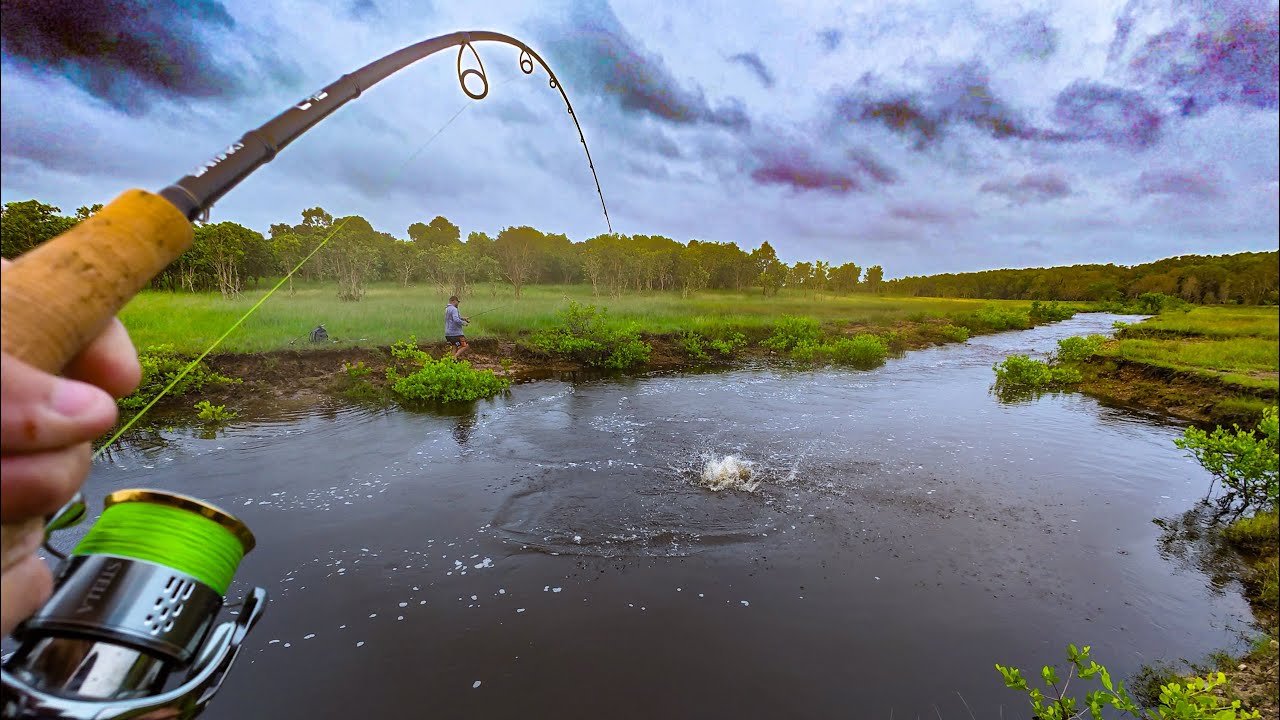
The jigging technique itself is uncomplicated. Anglers should cast the setup and, during retrieval, lift and drop the rod tip. “This makes your jig jump along the bottom on the way in. When it lands next to a flounder... Bam!” This technique can often lead to catching several smaller flounders before finally reeling in a keeper. As the expert points out, “It’s not uncommon to catch 10 fish before you find a keeper,” indicating that patience and persistence are key to successful flounder fishing.
Race Results
Race Results
Another widely favored technique for targeting larger flounders is using live bait. While it may offer fewer chances at fish, the potential rewards can be significant. The preferred bait types include finger mullet and mud minnows, strategically presenting them with a #1 hook, a 30lb leader, and an appropriate egg sinker. Depending on conditions, a 3/4 oz weight is typically sufficient for optimal results.
Current Season
This rig can be effective when fished along the inlet's edges or from a boat. However, one seasoned fisherman observes, “I prefer to leave the boat at home when flounder fishing,” suggesting that staying on solid ground enhances the fishing experience. Flounders often lurk along rocky edges, poised to ambush unsuspecting prey. A key tip for using live bait is to hook them in the nose to keep them alive. “Tail hooked baits don't do well in current,” they caution, stressing that patience and attentiveness can lead to successful catches.
To optimize fishing experiences, diversifying options is vital. “I always like to have as many options as possible when fishing. Baits, colors, locations, and techniques,” another fisherman shares. This flexibility helps to adapt to varying fishing conditions and flounder preferences.
For those interested in flounder fishing at Sebastian Inlet, incorporating these techniques can substantially increase the chances of a successful outing—whether through the thrill of jigging or the patience required for live bait. Should anglers have any questions or need further tips, they are encouraged to seek advice within the fishing community. As the saying goes, “I'll see you at the next tournament!”
Sebastian Inlet remains a prime destination for anglers eager to catch flounder. By utilizing these proven strategies and remaining adaptable, both novice and experienced fishermen can enjoy fruitful fishing adventures.