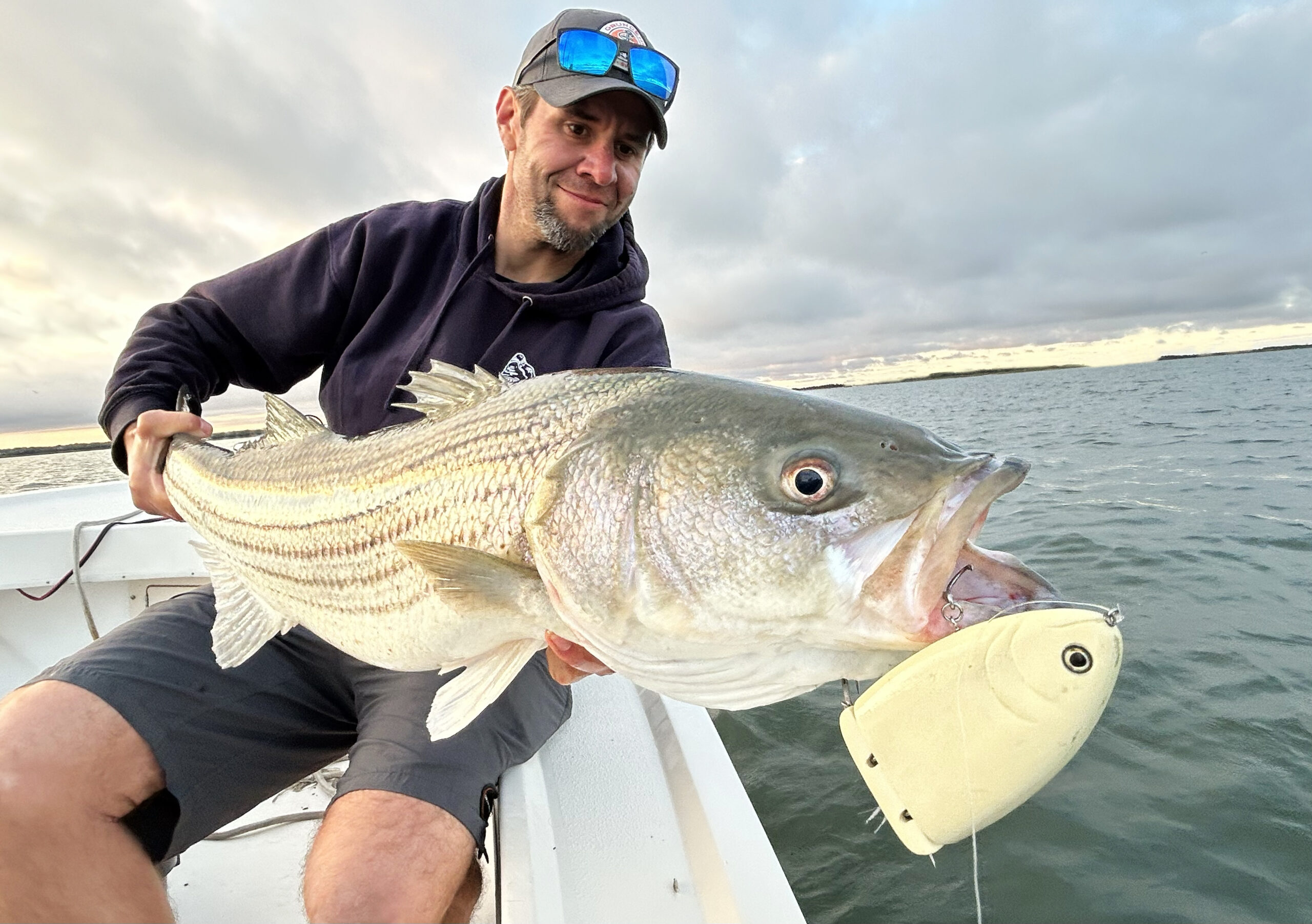
Striped bass fishing is a thrilling pursuit for both seasoned anglers and novices alike. Contrary to the notion propagated by many social media influencers, finding and attracting these fish is often less challenging than it seems. "If you find yourself in range of fired-up stripers, it rarely makes a difference if you’re using a jig, soft-plastic shad, or live bait—they’ll eat it," said an experienced local angler. The heart of successful striped bass fishing lies in understanding where and when to fish.
"If you find yourself in range of fired-up stripers, it rarely makes a difference if you’re using a jig, soft-plastic shad, or live bait—they’ll eat it,"
To maximize your chances, one must first grasp the migration patterns of striped bass. There are primarily two types of stripers along the East Coast: migratory and resident. While migratory fish tend to be larger, resident fish can weigh over 15 pounds at any time. Migration patterns are influenced by various factors, primarily climate change.
The bulk of the migratory striped bass population spends the winter in the Mid-Atlantic region, primarily Chesapeake Bay. "Come spring, a percentage will spawn in this region, but most will begin swimming north," explained a fisheries biologist. As they travel north, groups of fish break off to their respective breeding rivers, including the Delaware, Raritan, Hudson, Connecticut, and Thames.
"Come spring, a percentage will spawn in this region, but most will begin swimming north,"

Post-spawning, these fish usually return to the bay before making their way back to the ocean and further north, traditionally summering in cooler waters like those found in Massachusetts and Maine. However, it’s notable that recent years have shown an upsurge of striped bass populations in the Canadian Maritimes, indicating a shift related to warming waters. "The changing climate is pushing them farther north, significantly altering their historical patterns," added the biologist.
"The changing climate is pushing them farther north, significantly altering their historical patterns,"
For anglers, the best times to target these migratory bass are from April through June and again from late September through December, coinciding with their seasonal movement. Meanwhile, the smaller bass spawned each spring often remain in freshwater systems for years, contributing to the resident populations anglers can target during the summer months.
Career Journey
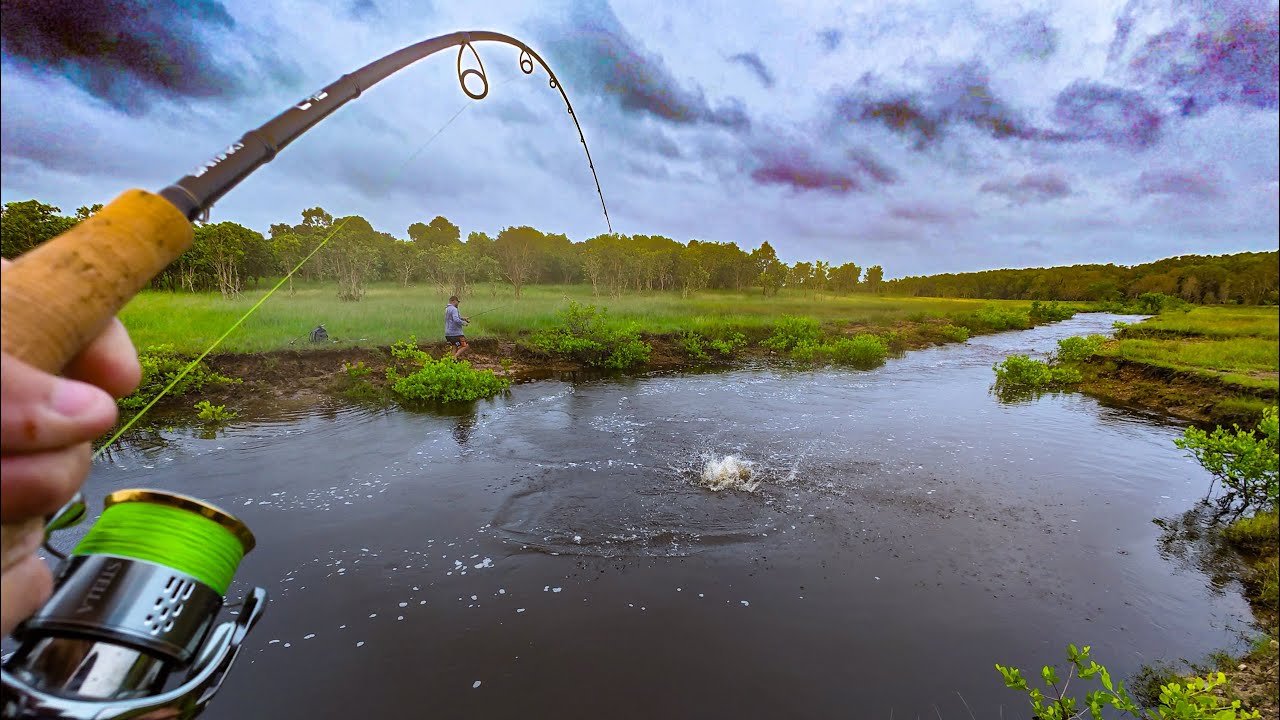
Understanding striped bass habitats is equally important. "Though there have been tagged fish documented swimming nearly 100 miles offshore, stripers primarily stick to inshore waters, bays, and coastal rivers," explained a veteran fishing guide. This accessibility has solidified striped bass as one of the most sought-after saltwater fish in the U.S.
"Though there have been tagged fish documented swimming nearly 100 miles offshore, stripers primarily stick to inshore waters, bays, and coastal rivers,"
These fish migrate along the coast primarily in search of food. Their diet includes a wide range of prey—menhaden, squid, clams, crabs, and even sand eels. This diverse menu allows anglers to utilize various tactics, making striped bass fishing appealing for different experience levels.

Striped bass are uniquely designed for inshore environments. They adeptly navigate strong currents and find prey even in turbulent surf. "They can roam through shallow areas with jagged, rocky bottoms or lazily cruise over calm mud flats in a bay system," noted an expert charter captain. Moreover, stripers are skilled nocturnal hunters, often using structures such as jetties and bridge pilings to ambush their prey. In open waters, they can form packs similar to wolves, facilitating a collective attack on baitfish schools.
"They can roam through shallow areas with jagged, rocky bottoms or lazily cruise over calm mud flats in a bay system,"
With these insights, both new and experienced anglers can improve their chances of capturing this dynamic species. Whether fishing from a boat or from shore, understanding the behavior and patterns of striped bass can lead to a rewarding fishing adventure. Local experts emphasize that possessing knowledge about the best fishing spots and times can save anglers from unnecessary frustration.
Career Journey
In conclusion, striped bass fishing is not just about luck; it requires a nuanced understanding of fish behavior and environmental cues. As climate change continues to reshuffle their habitat distributions, the strategies may evolve, highlighting the need for continuous learning among anglers. With the right knowledge and approach, the journey of fishing for striped bass can become a fulfilling experience that celebrates both sport and nature.