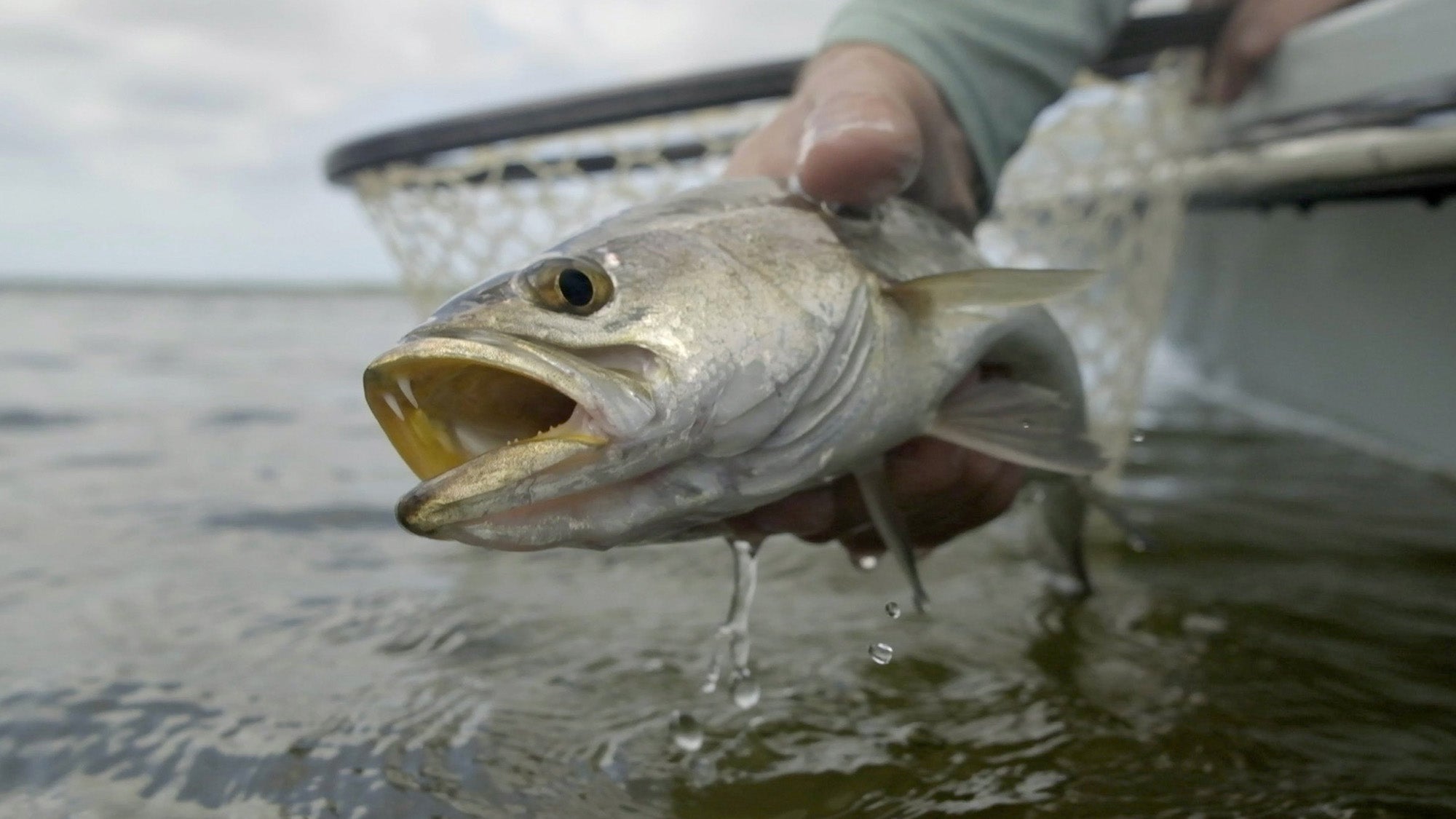
Along the eastern and southern coastlines of the United States, a spotted predator is capturing the attention of both novice and experienced anglers seeking their next memorable catch. Speckled sea trout, commonly known as spotted sea trout, have established themselves as one of the most sought-after inshore gamefish, offering a perfect combination of accessibility, fighting spirit, and culinary reward.
"Their aggressive nature, accessibility, and delicious table fare make them a top gamefish for both conventional and fly anglers," said J.P. Reynal, an experienced angler and fishing guide who has spent years pursuing these distinctive fish.
"Their aggressive nature, accessibility, and delicious table fare make them a top gamefish for both conventional and fly anglers,"
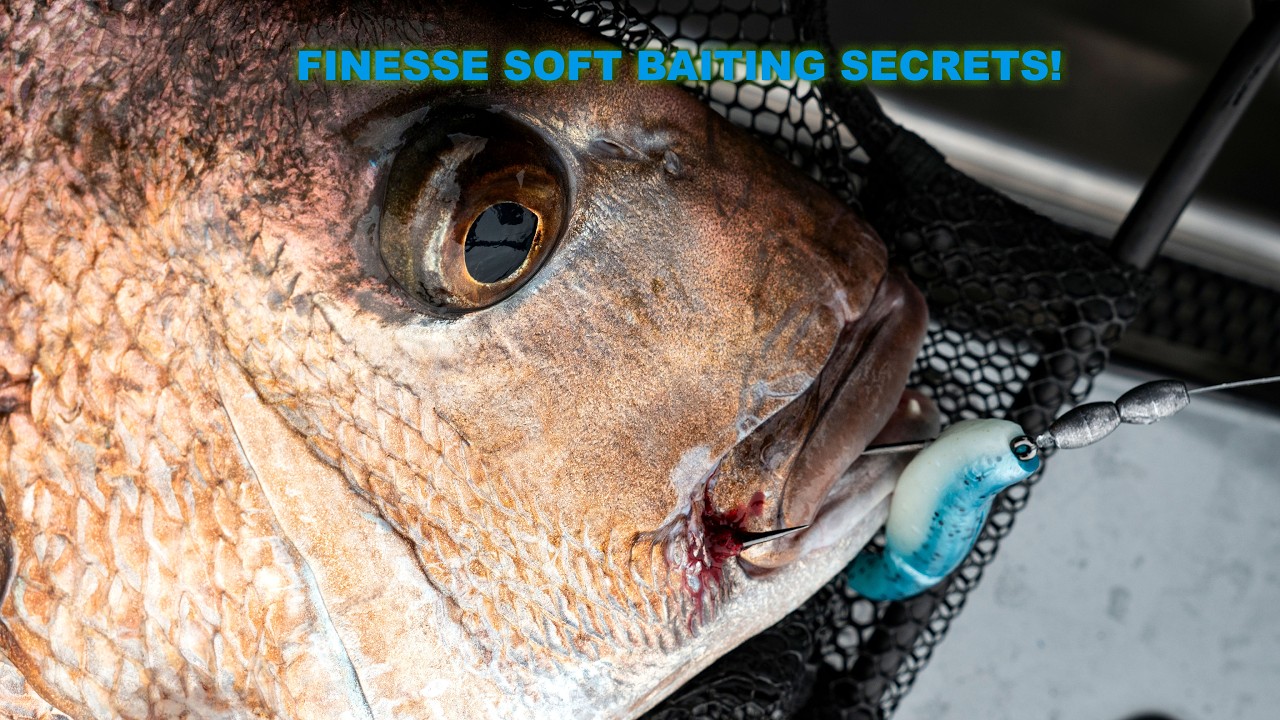
What makes speckled sea trout particularly appealing to anglers is their adaptable nature and widespread availability. These fish thrive in shallow saltwater bays where they actively hunt for crustaceans, shrimp, and small baitfish, creating opportunities for exciting encounters with large schools that can lead to high-action fishing sessions.

The versatility of speckled sea trout extends beyond their feeding habits to the various methods anglers can employ to catch them. "Live bait is always a great option, but sea trout will also aggressively take artificial lures and flies," Reynal noted, emphasizing how this adaptability allows fishermen to target the species regardless of their preferred fishing style.
"Live bait is always a great option, but sea trout will also aggressively take artificial lures and flies,"
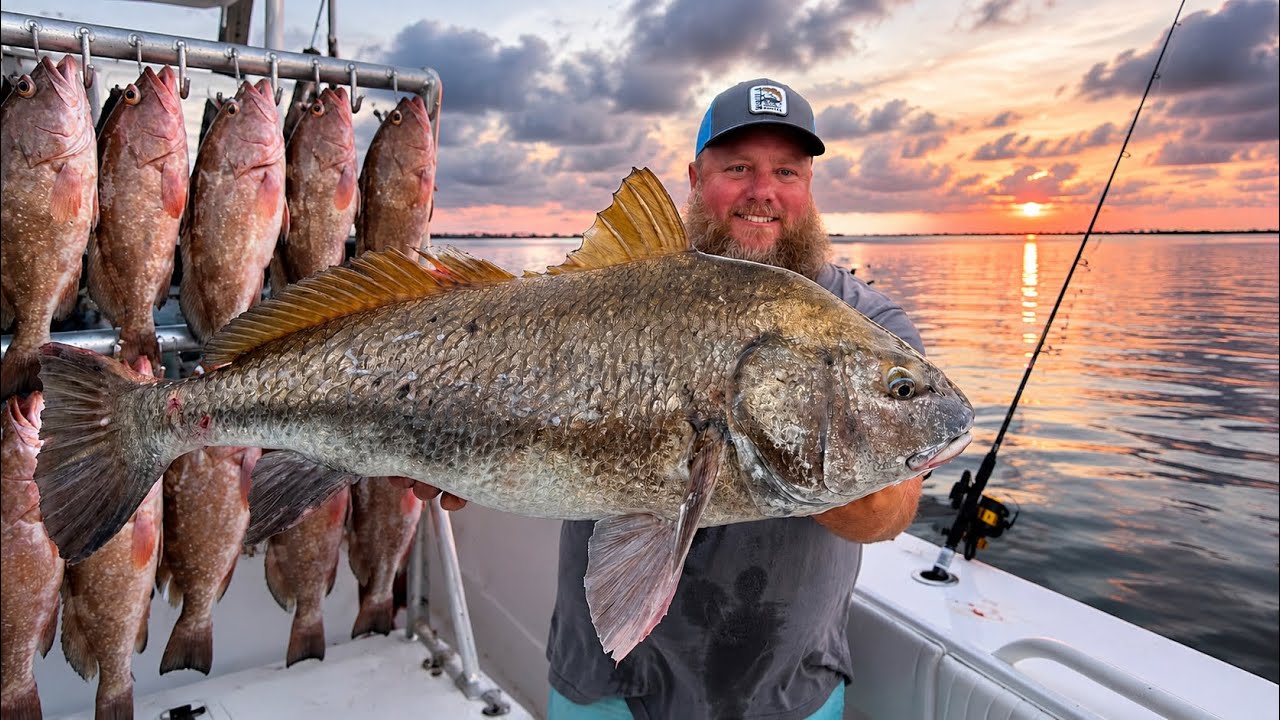
Despite their common name, speckled sea trout actually belong to the drum family, sharing lineage with popular species like redfish and black drum rather than true trout. Their distinctive appearance makes them easily recognizable among coastal catches – featuring prominent spots that stretch from their back to their dorsal fin, paired with an elongated, trout-like body that displays greenish-gray coloration on top transitioning to bright white underneath.
Anglers sometimes confuse speckled sea trout with weakfish, but the species can be distinguished by their characteristic spots and prominent front canines that resemble fangs. These physical features not only aid in identification but also hint at their predatory nature and feeding capabilities.
Size variation among speckled sea trout adds another layer of excitement to pursuing them. While common catches typically range from 10 to 20 inches, trophy specimens can exceed 40 inches, providing opportunities for both consistent action and the chance at a true prize fish. As these fish mature, their dietary preferences shift significantly – smaller specimens focus on crustaceans while larger individuals target bigger baitfish like mullet and pinfish.
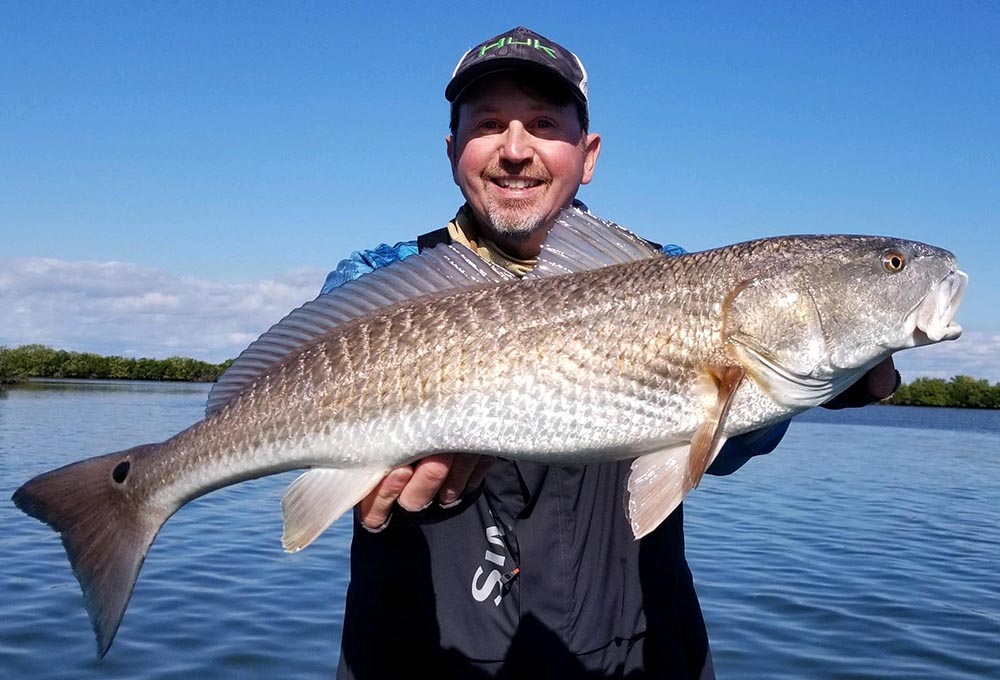
The species' reproductive capacity underscores the importance of conservation-minded fishing practices. A single adult female can produce up to 100,000 eggs, making larger breeder fish especially valuable to population sustainability. This biological reality has led many experienced anglers to advocate for careful handling and release of larger specimens, particularly since smaller trout typically provide better table fare.
Geographically, speckled sea trout maintain a broad distribution across the eastern United States, with their range extending from Texas to Massachusetts. However, population density varies significantly by region, with southern areas typically hosting the most robust concentrations.
"In the warmer months, these fish are found throughout shallow bays across their range," explained Max Inchausti, a marine biologist who has studied the species' habitat preferences and seasonal movements.
"In the warmer months, these fish are found throughout shallow bays across their range,"
Habitat selection plays a crucial role in successful speckled sea trout fishing. These fish show a strong preference for areas rich in structural elements, particularly vegetation and oyster beds that provide both shelter and attract the baitfish they prey upon. This habitat preference creates a key fishing strategy – when an angler catches one sea trout in such an area, more are likely to be nearby.
Impact and Legacy
Seasonal patterns significantly influence fishing success, especially in northern regions of the species' range. Summer months bring optimal conditions as rising water temperatures draw these fish into shallow waters, creating prime fishing opportunities. Conversely, colder months see them retreat to deeper waters, making them considerably more challenging to locate and catch.
For anglers looking to maximize their success, specific techniques have proven particularly effective. Live bait remains a tried-and-true approach, with the popping cork rig using live shrimp emerging as a standout technique. Reynal highlights this method's dual benefits: "The cork serves two purposes: it allows anglers to cast light shrimp effectively and attracts trout with its popping motion."
The technique involves casting the cork setup, reeling in slack line, then jerking the rod tip to create the distinctive popping effect. This action mimics an injured baitfish, a presentation that can dramatically increase success rates when targeting sea trout.
Beyond live bait applications, artificial lures and flies designed to mimic baitfish or shrimp have also proven effective, providing additional options for anglers who prefer these methods or face situations where live bait isn't available or practical.
As coastal fishing continues to grow in popularity, speckled sea trout represent an ideal target species that combines accessibility with excitement, offering both novice and experienced anglers the opportunity for productive fishing sessions and memorable catches along America's extensive coastal waters.