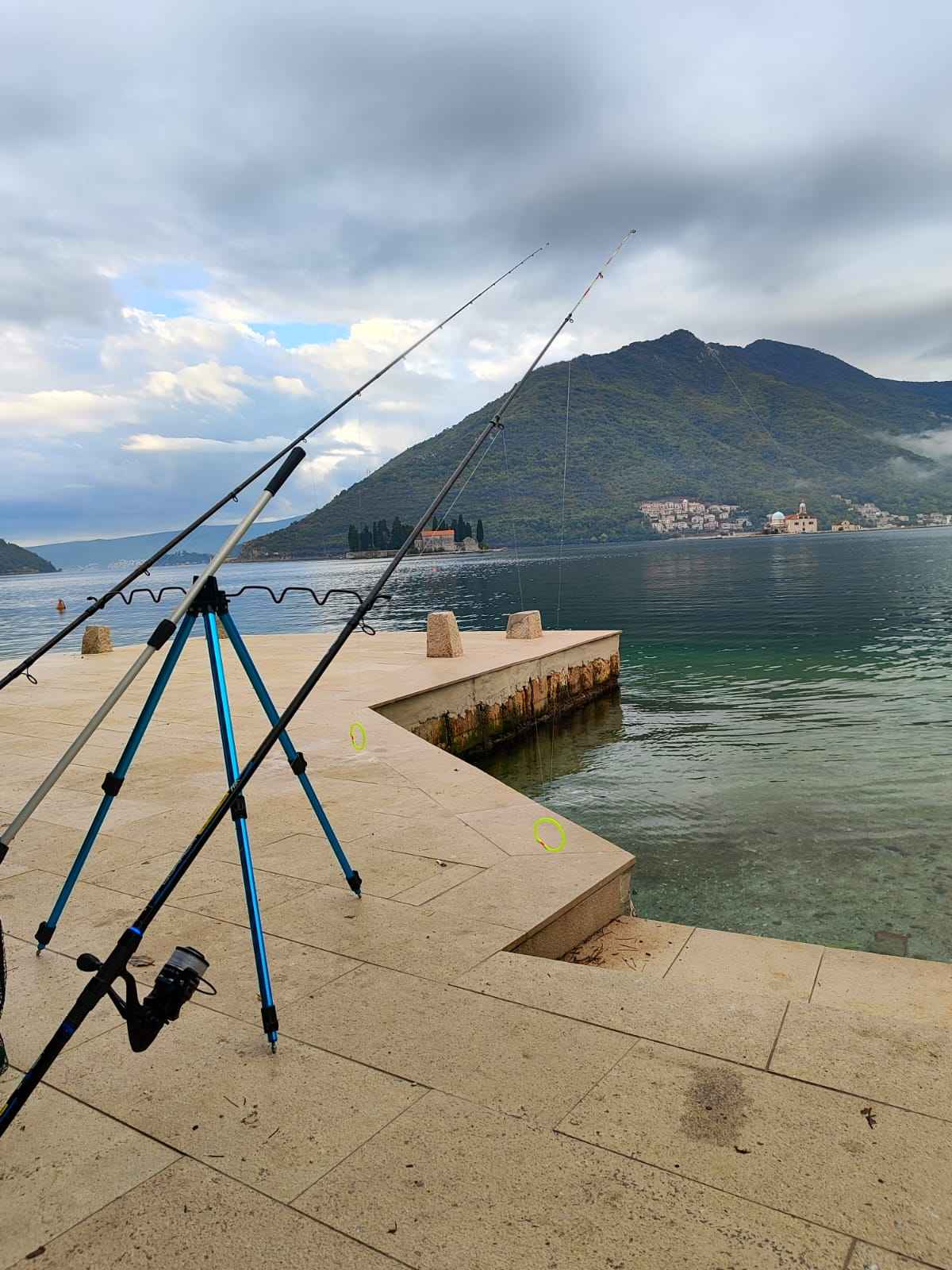
Winter shore fishing may conjure images of bleak landscapes, but for dedicated anglers, this season can yield significant rewards. Understanding fish behavior and adapting to changing sea conditions is vital for a successful outing during the colder months. "Fishing during winter requires deeper knowledge of the fish and their locations," said a seasoned angler, emphasizing the importance of preparation and the right equipment.
"Fishing during winter requires deeper knowledge of the fish and their locations,"
Despite the cooler temperatures, many target species remain accessible near coastal areas, particularly around ports and rocky seafloors. Major players like sea bream and white seabream continue to feed actively as they prepare for spawning, often aggregating in small schools. The presence of these fish is particularly pronounced in regions where food drifts in from the land. "Sea bream gather in small groups before spawning and actively feed on rocky or shell-covered bottoms," noted an expert in coastal fishing strategies.
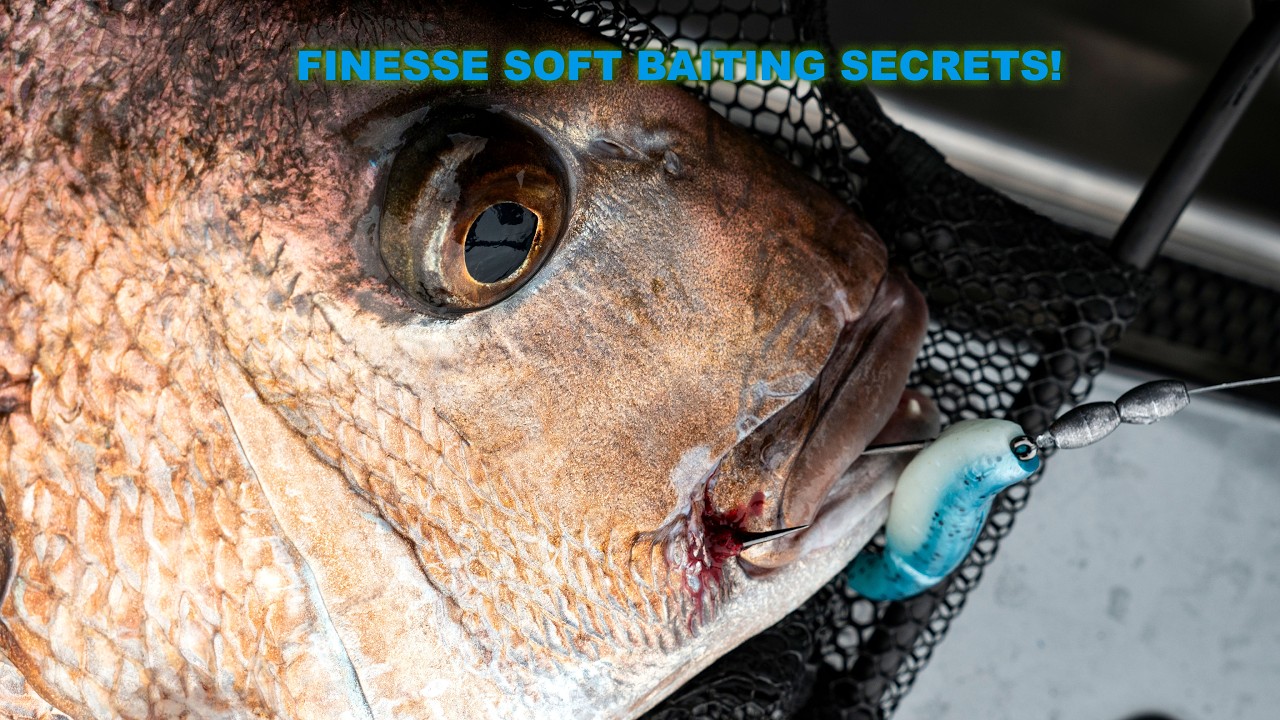
"Sea bream gather in small groups before spawning and actively feed on rocky or shell-covered bottoms,"

Impact and Legacy
Locating the right spot can dramatically influence an angler's success at sea. For sea bream, the ideal locations are where rocky and sandy bottoms meet at depths between 12 and 20 meters, which can be just a short cast from shore. White seabream, on the other hand, favors rocky slopes and crevices, thriving in depths of up to 20 meters or more. "Micro-locations matter the most in cold water," underscored a local fishing guide, suggesting that targeting specific spots can yield greater results.
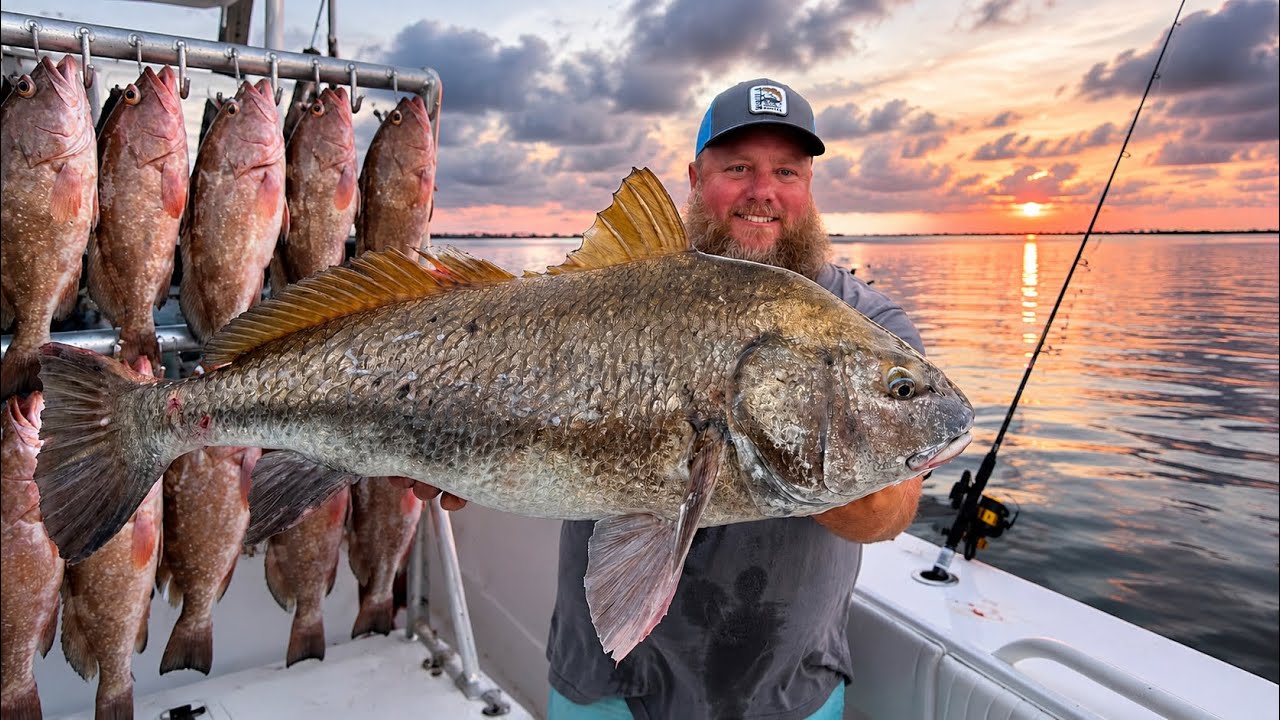
"Micro-locations matter the most in cold water,"
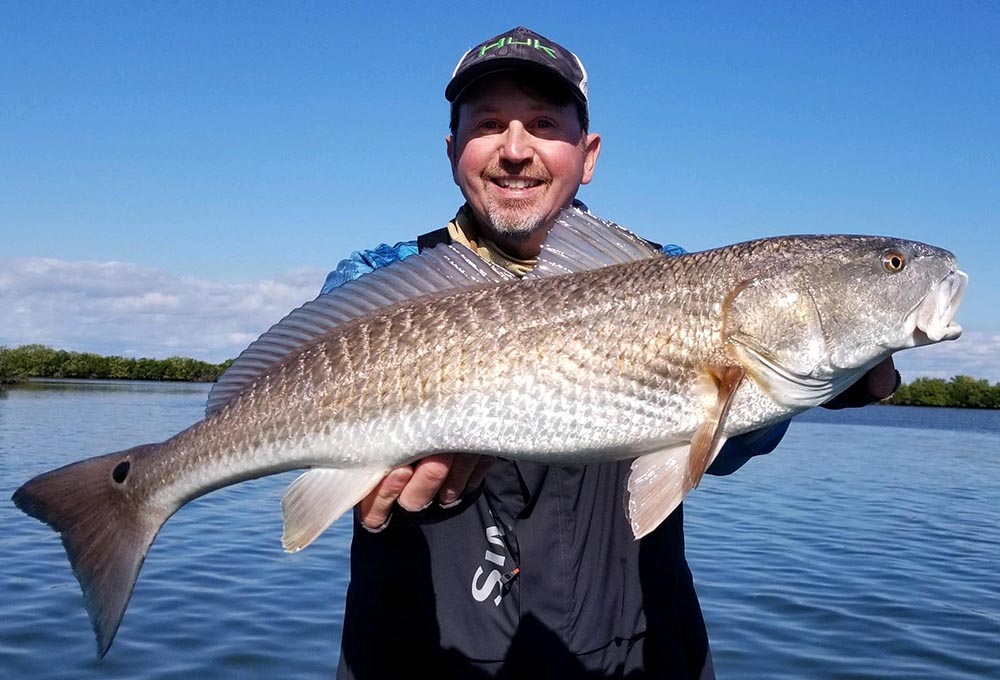
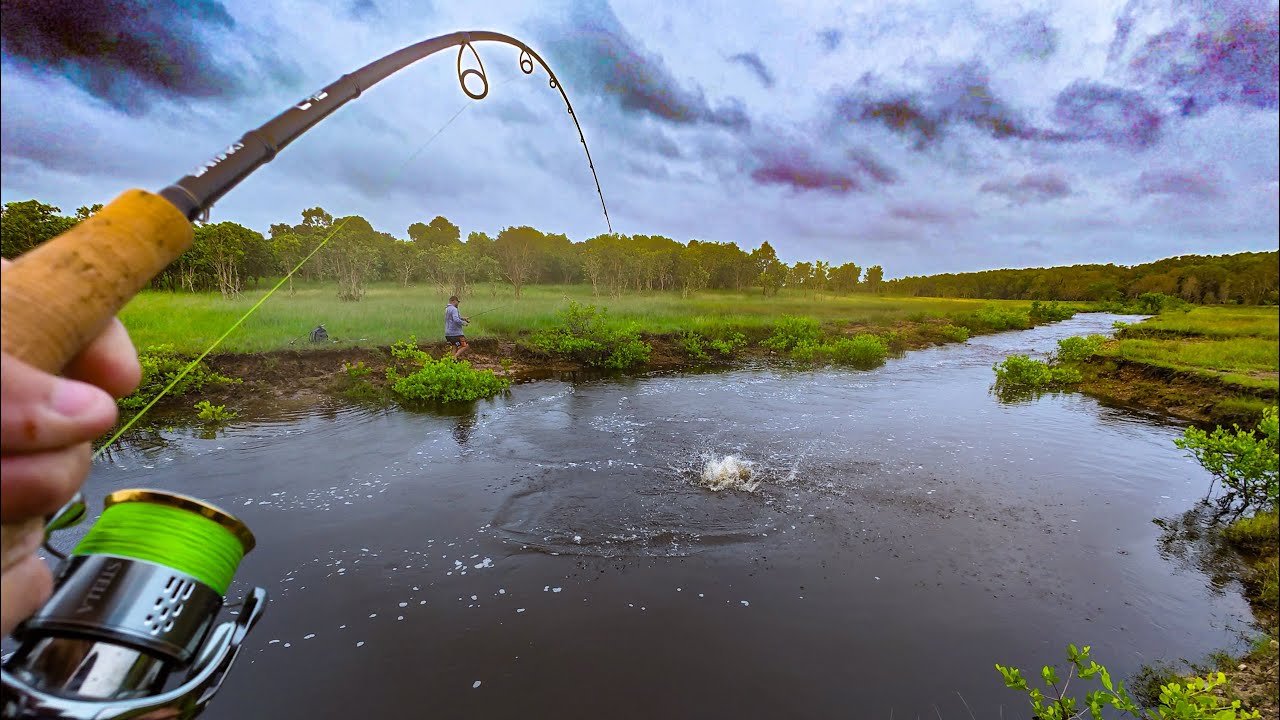
The environment also plays a crucial role in winter fishing success. Sea bass can be particularly active around harbors and piers, where they seek out smaller fish drawn to these areas. River mouths and regions with strong tidal flow offer excellent conditions for lure fishing. "Southern winds and rain often trigger feeding frenzies," explained a fisheries analyst, suggesting that these weather changes can yield noteworthy catches, especially during high tide.
"Southern winds and rain often trigger feeding frenzies,"
When it comes to the winter target species, sea bream (Sparus aurata) often retreats to deeper waters, making finding them more challenging. The preferred habitats are sandy-gravel bottoms interspersed with rocks. "This 'queen of the fish' has powerful jaws, so choosing the right bait is crucial," shared an expert angler. Firm bait options such as whelks, mussel meat, and crabs are recommended for enticing these fish.
"This 'queen of the fish' has powerful jaws, so choosing the right bait is crucial,"
Utilizing whelk requires skill; crushing the shell and using only the meat can release a strong scent, luring fish from a distance. Anglers should prepare by employing a rod measuring between 3 and 4 meters with a casting weight of 60-120 grams. "Make sure the hook tip remains exposed so the fish can easily take it," advised a veteran fisherman.
"Make sure the hook tip remains exposed so the fish can easily take it,"
Impact and Legacy
Impact and Legacy
Impact and Legacy
Despite the challenges posed by rocky bottoms, many successful anglers adapt their tactics by using a fluorocarbon leader with a slightly lower breaking strength than the main line. An expert cautioned, "This approach ensures that if you snag, only the hook section breaks, minimizing both cost and environmental impact."
In addition to sea bream, white seabream (Diplodus sargus sargus) presents another winter fishing opportunity. This species can attain a size of up to 47 centimeters and 2.5 kilograms, though typical catches average around 200 grams. Known for their sociable behavior, these fish are often found hiding among rocks and boulders. Autumn and winter are favored seasons for targeting them, especially during choppy conditions when feeding becomes more aggressive.
For white seabream, anglers should use lighter gear, with a rod measuring 3.5–4 meters and a main line of 0.25–0.30 mm. Optimal hooks range from sizes 2 to 4. A successful strategy involves ground baiting with a mixture of chopped mussels and sardines, which draws fish to a designated area. An experienced angler provided a succinct method: "Bait small pieces of worm or mussel meat and drop them near the rocks when the waves crash against them."
In winter, shore fishing can be a rewarding challenge for those willing to adapt their techniques and strategies. Anglers who respect the unique behaviors of their target species will find success, even in the colder months. The right preparation, bait choice, and awareness of environmental factors can transform a winter fishing trip into a bountiful outing.