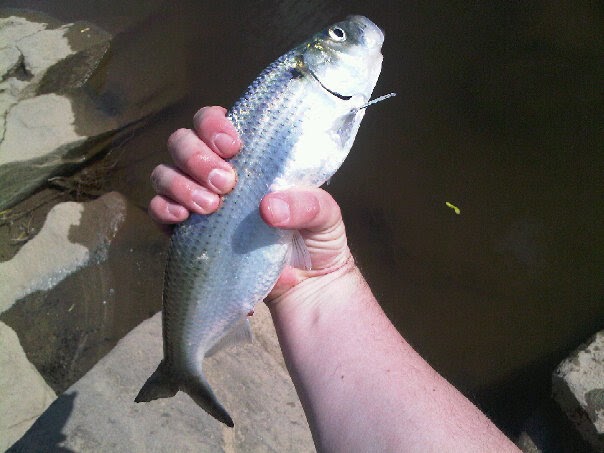
Spring in Washington, D.C., is often celebrated for its cherry blossoms and the influx of tourists. However, for local anglers, it marks the start of a unique fishing experience—the shad spawning season in the Potomac River. Known for their fierce battles and aerial acrobatics, shad draw fishermen to the waters every spring.
"Probably one of the best kept local secrets is the AMAZING shad fishing that hits the Potomac River every spring," said a representative from Kachung Outdoors. With three distinct shad species—the American shad, gizzard shad, and hickory shad—fishing enthusiasts have their pick. Although these species are protected and have specific creel limits, their challenging catch makes them a sought-after target.
"Probably one of the best kept local secrets is the AMAZING shad fishing that hits the Potomac River every spring,"
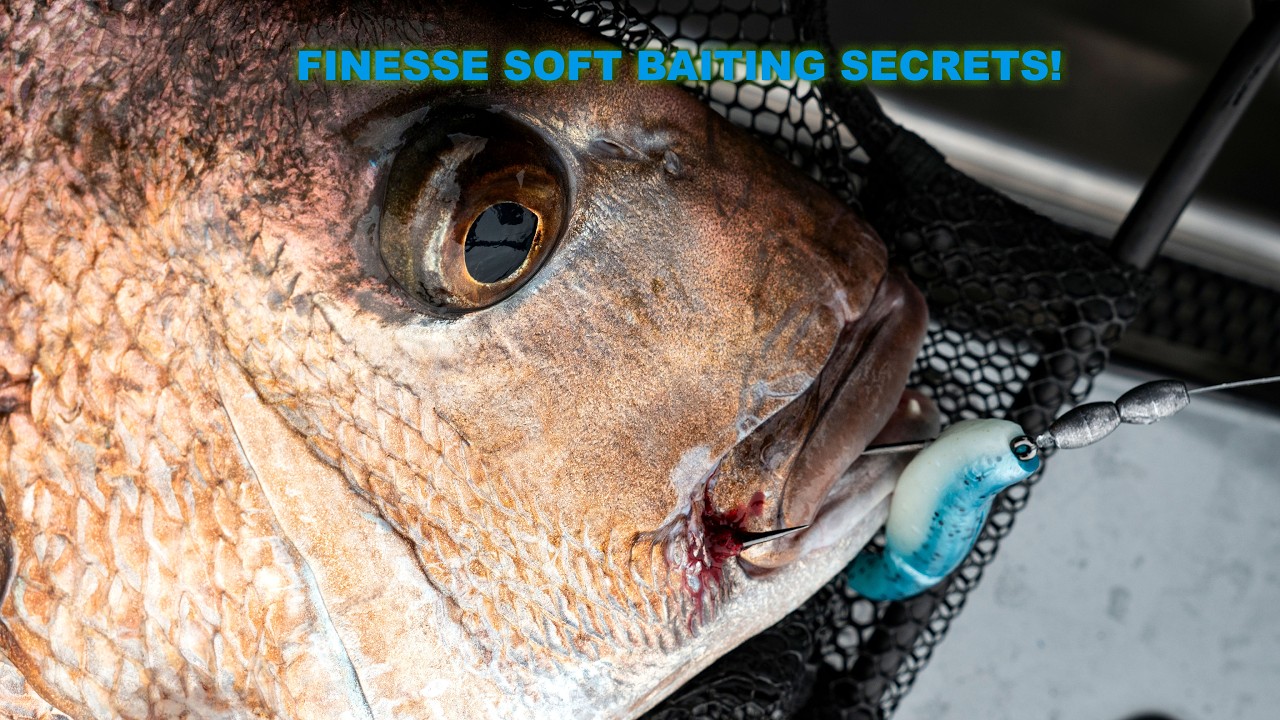

One of the prime locations for shad fishing is near Fletcher's Cove Boathouse. The boathouse offers access to a narrow stretch of the Potomac, which becomes a hotspot for anglers hoping to catch these energetic fish. "The challenge with shad fishing is many. Water flow, sunlight, and water clarity all play major factors," explained a local fishing guide. Anglers often find that overcast conditions paired with low water levels optimally attract shad, who prefer holding closer to the riverbed during spawning.
Impact and Legacy
Impact and Legacy
Impact and Legacy
During the 3-4 weeks of the shad run, additional species such as striped bass, catfish, and snakeheads are also drawn to the spawning activity, offering fishermen even more excitement. However, the weather can be a significant factor impacting fishing conditions. "One of the issues of the Potomac is that right around the time of the year of the spawn this area receives a lot of rain," noted a seasoned local angler.
"One of the issues of the Potomac is that right around the time of the year of the spawn this area receives a lot of rain,"
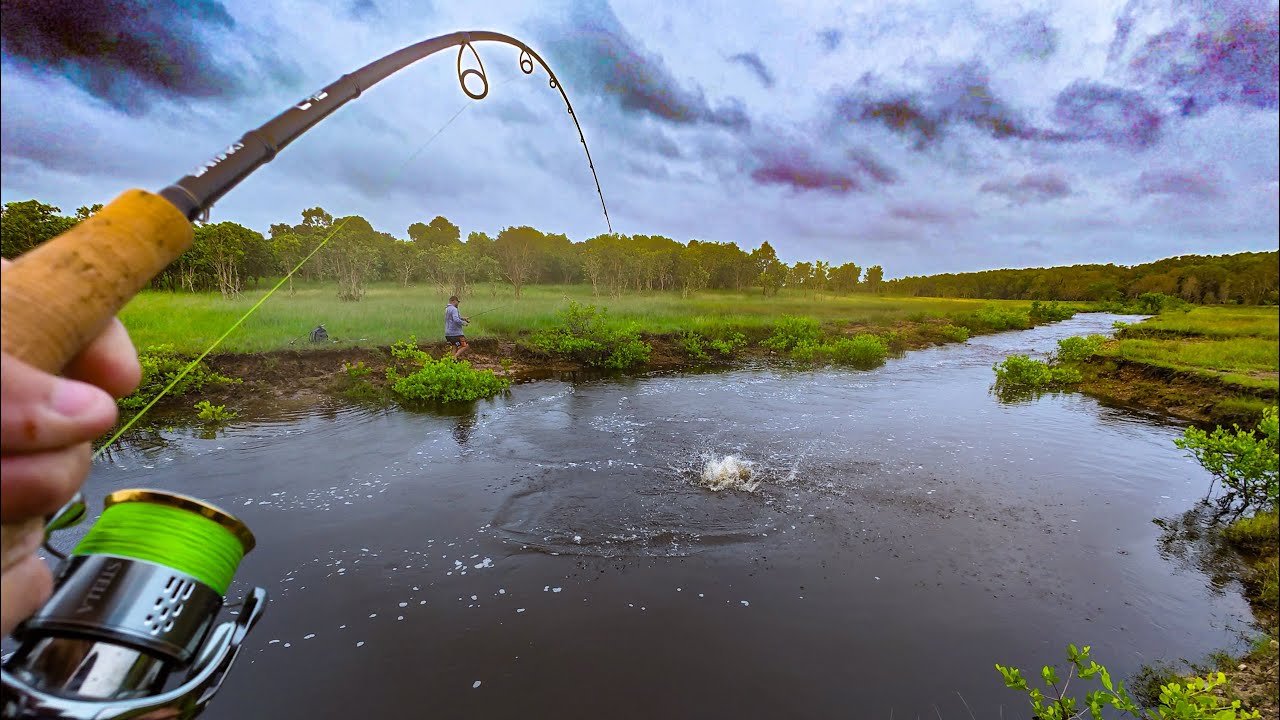

This rainfall can create high water conditions, particularly challenging near Fletcher's Cove, where the river passes through a constricted gorge. "The rather large Potomac River passes through a very narrow gorge; some areas are around 150 feet wide, so the water flow at times can be massive," emphasized an experienced fisherman, highlighting the area's unique features.
"The rather large Potomac River passes through a very narrow gorge; some areas are around 150 feet wide, so the water flow at times can be massive,"
To gear up for success, anglers typically use various fly rods, with a preference for lighter gear. Utilizing a 5-weight rod with sinking lines and colorful shad flies is common. "What's interesting about shad is that their hankering for flies changes daily," pointed out a local expert. Some days they may favor pink flies, while others they might only hit whites. This variability requires adaptability and attentiveness from anglers.
"What's interesting about shad is that their hankering for flies changes daily,"
Casting from shore can be difficult, particularly owing to dense vegetation and overhanging trees. A proficient roll cast can certainly provide an edge in such terrain. Anglers often wait for their fly to settle before retrieving with quick motions. "When a shad hits a fly, you'll absolutely know it," shared a veteran fisherman, noting the thrill of the catch.
"When a shad hits a fly, you'll absolutely know it,"
As spring progresses and the shad run continues, the lively atmosphere at Fletcher's Cove remains a testament to the joys of fishing in Washington D.C. During this season, quiet moments on the riverbank can swiftly transition to exhilarating battles with one of freshwater fishing's great challenges. For anglers seeking a memorable experience, the Potomac is poised to deliver.
As the shad run season unfolds, enthusiasts can expect not only thrilling catches but also a chance to connect with nature in the heart of the nation. The next few weeks might very well be the best time to explore this rewarding fishing opportunity before it draws to a close.