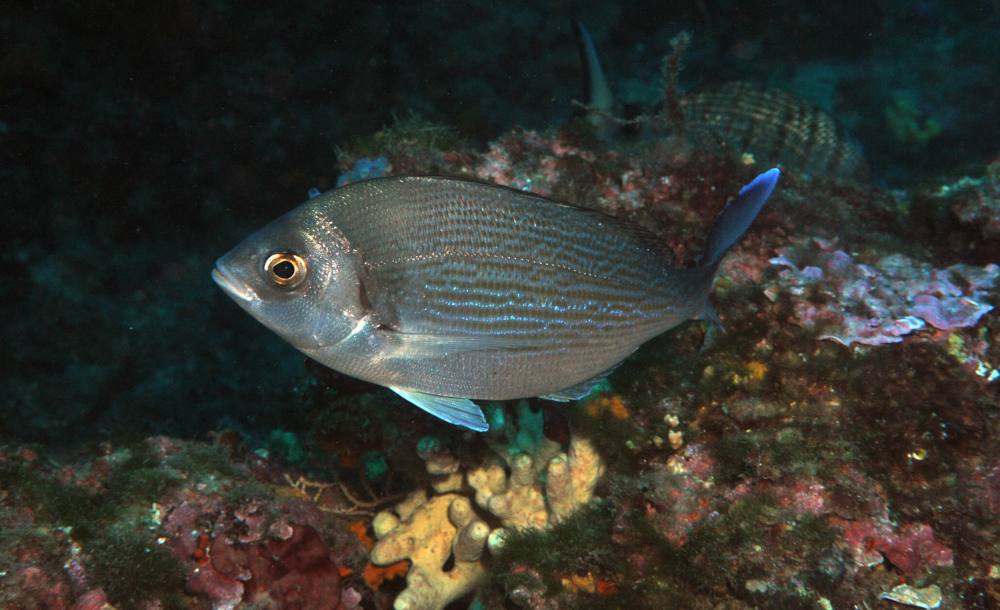
The waters of the Mediterranean and eastern Atlantic have long harbored a prized catch that continues to captivate fishing enthusiasts: the black seabream (Spondyliosoma cantharus). Known colloquially as "big eye" for its distinctive large silver eyes, this remarkable species has earned a reputation among anglers for delivering both thrilling battles and exceptional table fare.
"big eye"
The black seabream's appeal extends far beyond its fighting prowess. "Highly appreciated in the kitchen, whether grilled or baked," said one local angler, emphasizing the culinary rewards that await successful fishermen. The species' firm and flavorful flesh has transformed it from a casual catch into a deliberate target for coastal and offshore fishing enthusiasts throughout its range.
"Highly appreciated in the kitchen, whether grilled or baked,"

What sets the black seabream apart in the water is its spirited resistance, even when pursued with light tackle. This characteristic makes it particularly valuable for anglers seeking to refine their skills, as the fish's energetic fights demand both patience and technique. Its temperamental nature ensures that each encounter presents a unique challenge, appealing equally to newcomers learning the ropes and veteran anglers seeking consistent excitement.
Among the diverse Sparidae family, which includes the well-known gilthead bream, the black seabream stands out with its distinctive physical characteristics. The species displays an oval, laterally compressed body adorned with a silvery coloration that often reveals golden or purplish reflections depending on lighting conditions. Most specimens caught by recreational anglers weigh between 300 and 800 grams, though larger individuals occasionally tip the scales at 1.5 kilograms or more.
The fish's evolutionary adaptations reveal much about its feeding behavior and habitat preferences. "The black seabream has a mixed dentition perfect for crushing the exoskeletons of crustaceans and mollusks," explained a marine biologist, highlighting the species' role as a benthophagous predator. This specialized feeding apparatus allows the fish to exploit a diverse range of prey items, from small crustaceans to various mollusks that inhabit the seafloor.
"The black seabream has a mixed dentition perfect for crushing the exoskeletons of crustaceans and mollusks,"
Successful black seabream fishing begins with understanding their preferred environments. These fish demonstrate a strong affinity for coastal structures, particularly artificial reefs and areas rich in benthic life. "They are often found near submerged reefs, where crustaceans and mussels abound," noted one experienced fishing guide, emphasizing the importance of targeting structure-rich areas.
"They are often found near submerged reefs, where crustaceans and mussels abound,"
Prime fishing locations include breakwaters, piers, and submerged wrecks. These artificial and natural structures serve dual purposes: they provide shelter for the seabream while creating thriving ecosystems that support the crustaceans and mollusks that form the foundation of their diet. The concentration of prey around these structures makes them reliable hotspots for anglers seeking consistent action.
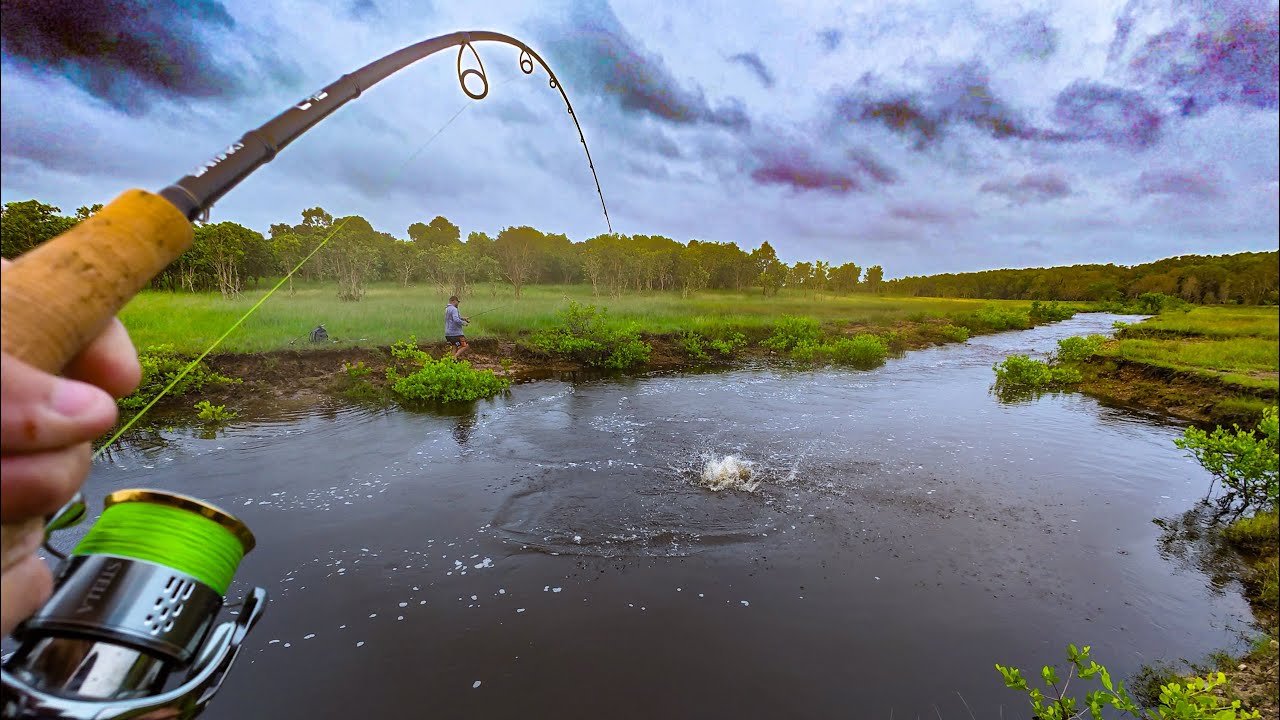
Equipment selection plays a crucial role in black seabream success. Fishing experts consistently recommend medium to heavy spinning tackle paired with strong monofilament or braided line to handle the species' determined runs and the structure-heavy environments they inhabit. "Using a sensitive rod will allow you to feel even the lightest bites, which is vital when targeting black seabream," advised an experienced angler, highlighting the importance of detecting subtle takes.
"Using a sensitive rod will allow you to feel even the lightest bites, which is vital when targeting black seabream,"
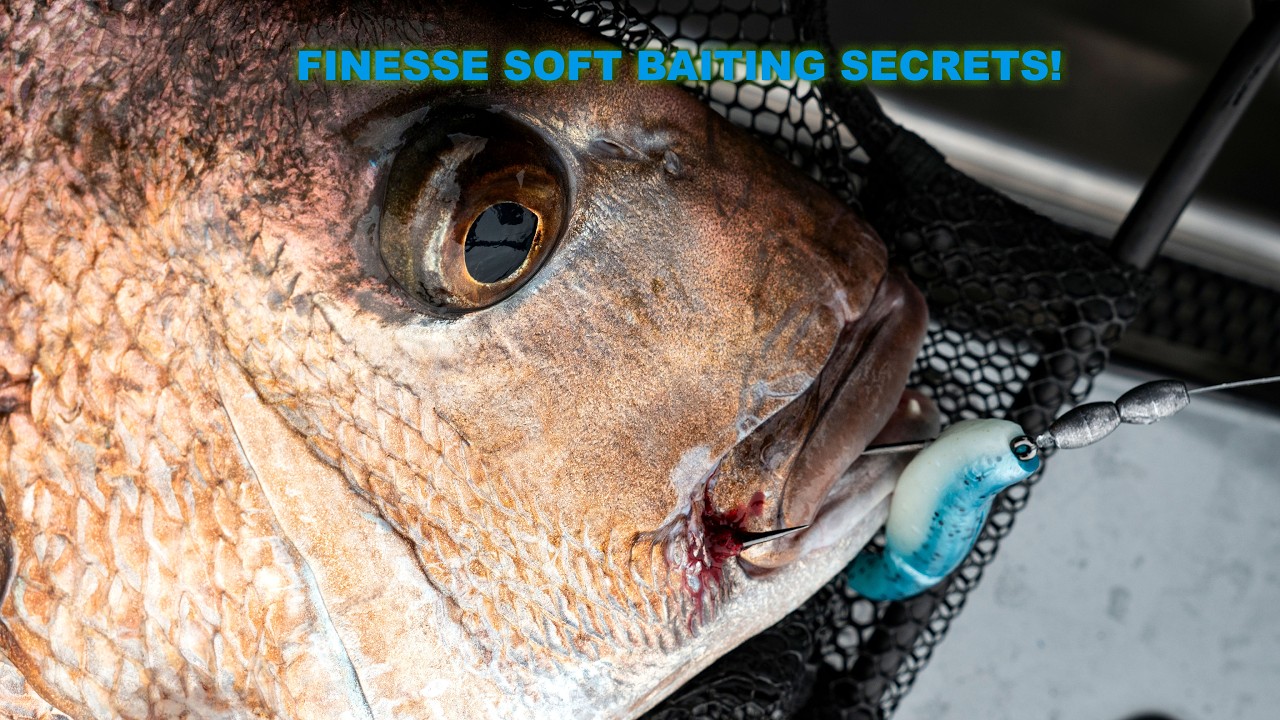
Bait selection offers anglers flexibility, with both natural and artificial options proving effective. Popular natural baits include small crustaceans, marine worms, and shrimp, all of which mirror the seabream's natural diet. However, seasonal variations in feeding behavior suggest that adaptability in bait choice can significantly improve catch rates. "In the spring, I often use live bait, and in the summer, artificials work great," shared one dedicated black seabream specialist.
"In the spring, I often use live bait, and in the summer, artificials work great,"
Career Journey
Career Journey
Career Journey
Timing plays an equally important role in targeting these fish effectively. Black seabream exhibit pronounced seasonal patterns, with peak activity occurring during spring and early autumn. These periods coincide with reproductive behavior and intensified feeding, creating optimal conditions for anglers. During spring warming trends, the fish become more active in shallow coastal areas, while early autumn sees increased feeding as they prepare for winter.
The colder months present different challenges entirely. As temperatures drop, black seabream migrate to deeper waters where they become less active and considerably more challenging to locate and catch. However, dedicated anglers shouldn't abandon winter efforts entirely. "You can still catch them in winter, but it requires more targeted techniques," noted one fishing enthusiast, suggesting that success during colder periods demands refined approaches and greater persistence.
"You can still catch them in winter, but it requires more targeted techniques,"
Current Season
Current Season
Beyond technique and timing, responsible angling practices ensure the species' continued availability for future generations. Understanding current fishing regulations and marine conservation practices represents an essential component of modern black seabream fishing. Compliance with size limits, bag limits, and seasonal restrictions not only keeps anglers within legal boundaries but also contributes to the long-term sustainability of this valued species.
Looking Ahead
The enduring appeal of black seabream fishing lies in its combination of accessibility and challenge. The species' widespread distribution along Mediterranean and eastern Atlantic coasts means that millions of anglers have potential access to these waters, while their selective feeding habits and fighting ability ensure that success requires skill and dedication. As coastal fishing continues to grow in popularity, the black seabream's unique blend of sporting and culinary qualities positions it as a cornerstone species for the region's recreational fishing future.