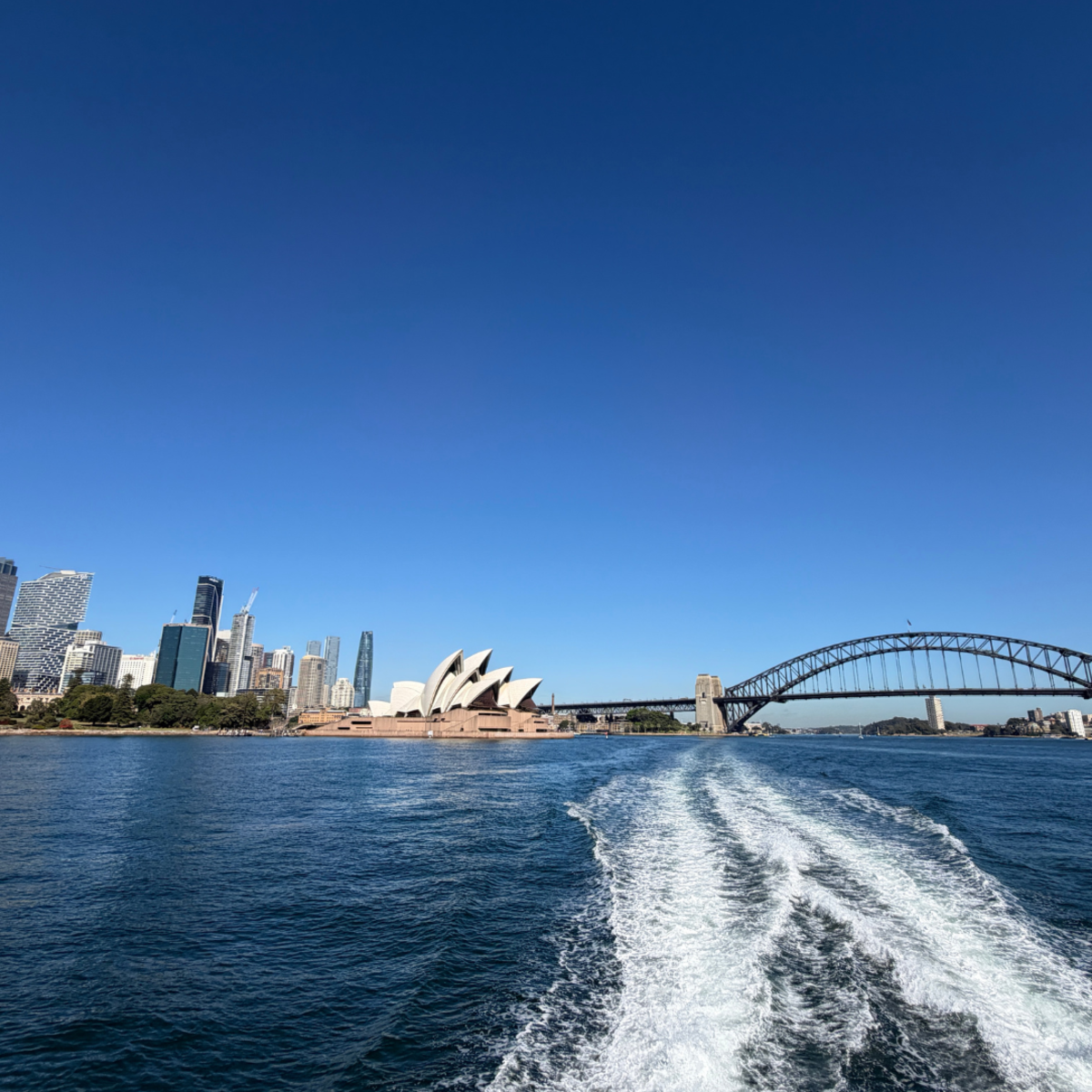
While millions of tourists flock to Sydney Harbour to photograph the Opera House and Harbour Bridge, a dedicated community of anglers knows the real treasure lies beneath the surface. The iconic waterway, famous for its postcard-perfect views, harbors one of Australia's most diverse and productive urban fisheries.
"Fishing Sydney Harbour often takes you well off the beaten path," said local angler Tom Harris, whose insights highlight how exploration remains key to unlocking the harbour's fishing potential. For both newcomers and seasoned fishermen, the harbour presents opportunities that extend far beyond its tourist facade.
"Fishing Sydney Harbour often takes you well off the beaten path,"

The success of any Sydney Harbour fishing expedition begins with understanding local regulations. Anglers over 18 must obtain a New South Wales Recreational Fishing Licence before casting their first line. Mark Simmons from the NSW Department of Fisheries explained that "this licence allows fishing across both freshwater and saltwater in New South Wales."
The licensing structure accommodates various needs, with fees ranging from $7 for a three-day permit to $85 for a three-year licence. Monthly permits cost $14, while annual licences are priced at $35. These permits are readily available online or through local tackle shops, with the NSW Recreational Fishing Guide providing comprehensive information on seasons, bag limits, and additional regulations.
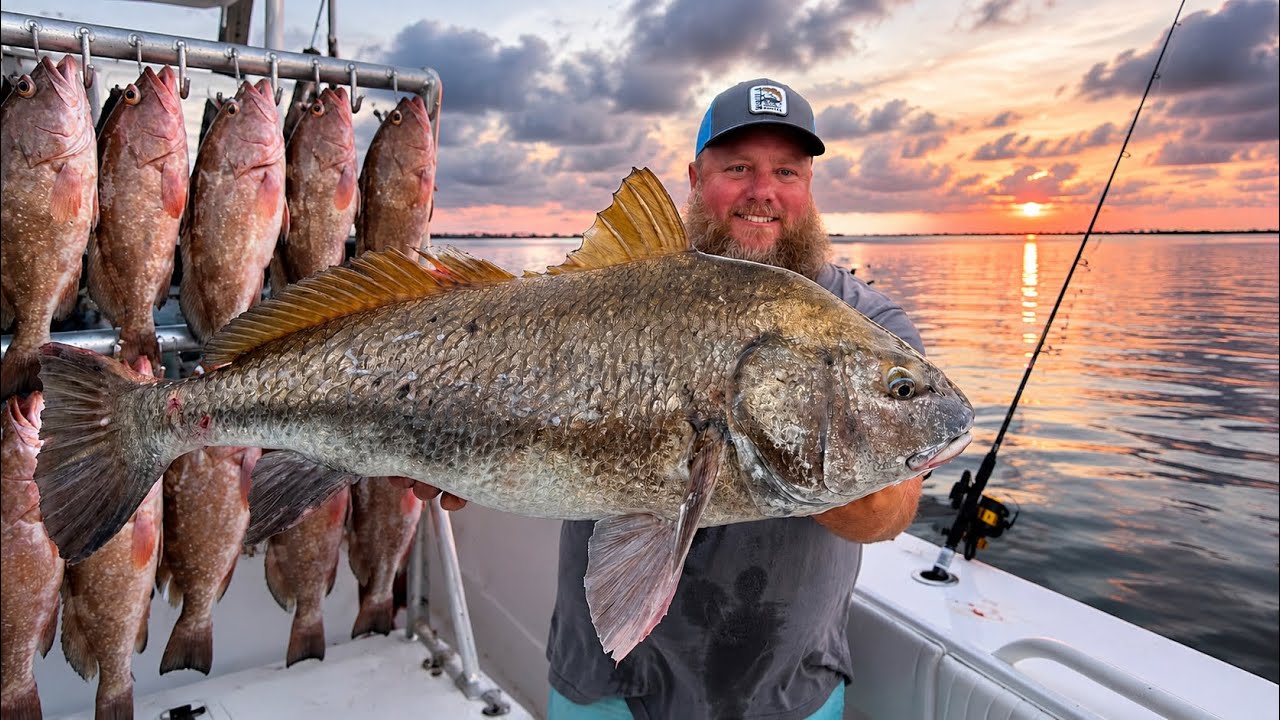
Once properly licensed, success depends heavily on species selection and understanding fish behavior. Pro angler Lisa Grant emphasized that "understanding your target species, where they hang out, how they feed, and what they prefer to eat can significantly increase your chances of a good catch."

By the Numbers
By the Numbers
By the Numbers
Sydney Harbour's most sought-after species each require distinct approaches. Kingfish, known for their power and tendency to school in large numbers, frequent bridge pylons, rocky reefs, and deeper channels. Anglers targeting these prized fish typically focus their efforts in deeper waters where juvenile kingfish congregate.
Australian Salmon present a different challenge, thriving in deeper waters where adults school away from shore. Experienced fishermen often locate these fish by watching for surface disturbances or following diving birds, which indicate feeding activity below.
Career Journey
Career Journey
Bream fishing offers more accessible opportunities, with these popular fish commonly found along coastlines and throughout the harbour. Their attraction to structures like jetties and rock walls makes them ideal targets for shore-based anglers, particularly during early morning or late afternoon periods when feeding activity peaks.
For those seeking trophy fish, Mulloway—locally known as Jewfish—represent the harbour's premium catch. These impressive specimens inhabit various environments, from estuaries to offshore reefs. Many dedicated anglers pursue Mulloway through night fishing sessions near rocks or bridge pylons, where larger specimens are more likely to be encountered.
Bait selection plays a crucial role in fishing success, with natural options generally outperforming artificial alternatives. "Natural bait is the way to go, as it provides scents and movements that attract fish better than any artificial lure," Harris advised. Top bait choices include prawns, small baitfish, live squid, yabbies, fish fillets, worms, and surprisingly, cut poultry like chicken thighs.
"Natural bait is the way to go, as it provides scents and movements that attract fish better than any artificial lure,"
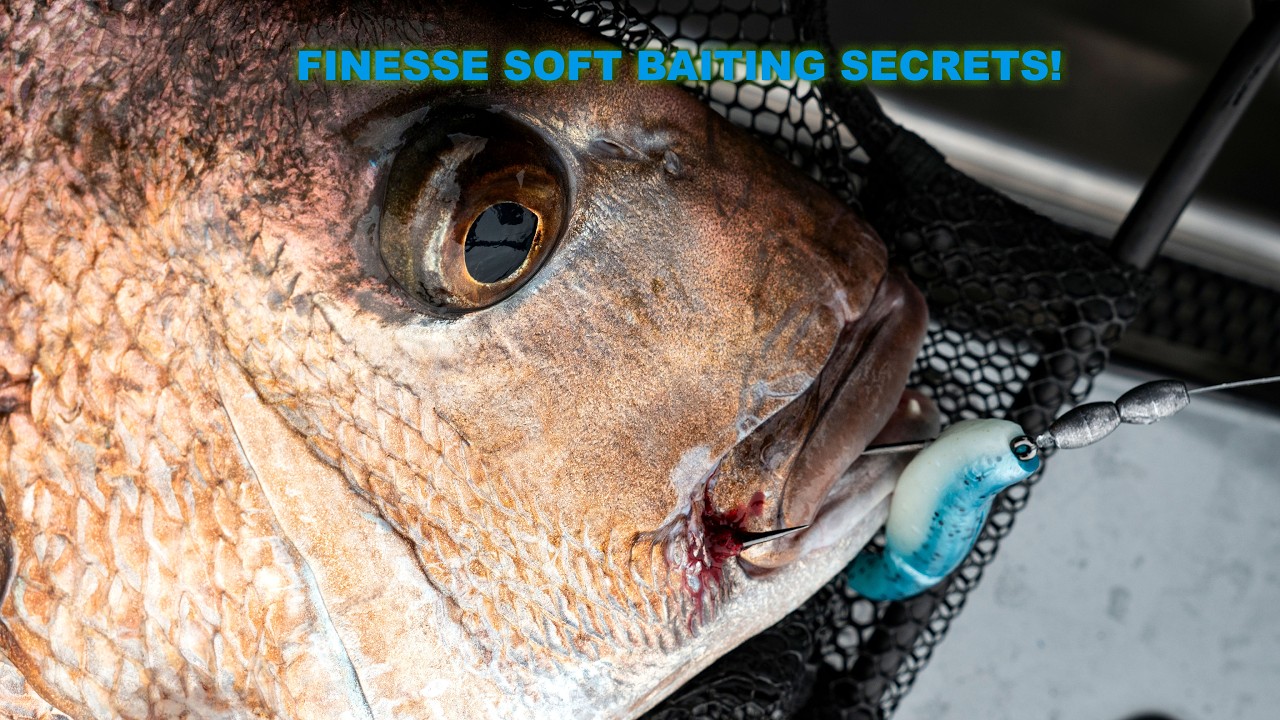
When artificial lures are preferred, soft plastics prove particularly effective for bream, salmon, and juvenile kingfish. Grant recommended employing "slow retrieves in shallower water or gentle jigs to imitate injured baitfish," techniques that trigger predatory responses from target species.
"slow retrieves in shallower water or gentle jigs to imitate injured baitfish,"
Impact and Legacy
Location selection significantly impacts fishing outcomes, with several harbour spots earning reputations among local anglers. The Rocks area, despite its busy tourist traffic, provides access to diverse species and remains a productive fishing destination. Taronga Zoo Wharf offers excellent opportunities for bream and flathead, while Clontarf Reserve combines a peaceful setting with abundant fish populations.
The harbour's versatility accommodates various fishing styles and equipment levels. Whether fishing from kayaks, small boats, or shoreline positions, anglers find opportunities matched to their experience and resources. This accessibility has fostered a thriving fishing community that spans skill levels and backgrounds.
Sydney Harbour's unique position as both a major tourist destination and productive fishery creates an unusual dynamic. While cruise ships and ferries navigate the main channels, dedicated anglers work the quieter corners and hidden structure where fish congregate. This juxtaposition of urban activity and natural abundance defines the harbour's character.
The harbour's fishing opportunities reflect Sydney's broader appeal as a destination where natural beauty and urban sophistication intersect. For visitors and locals alike, the chance to cast a line beneath world-famous landmarks while pursuing quality fish creates memorable experiences that extend beyond typical tourist activities.
As Harris noted, exploration remains fundamental to harbour fishing success. The waterway's complexity, with its numerous bays, points, and structures, rewards those willing to venture beyond obvious locations and experiment with different approaches.