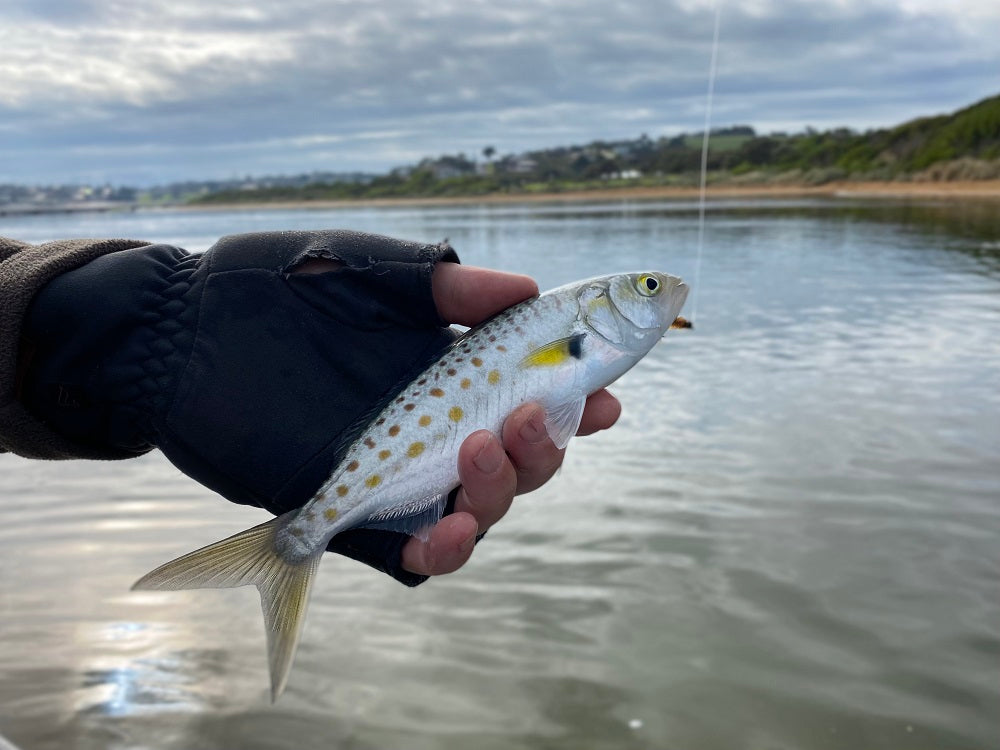
While trout often steal the spotlight in the world of Australian fishing, the thrills offered by Estuary Perch and Australian Bass should not be overlooked. These native species pack a punch and provide exciting challenges for flyfishers who know how to engage with them. As more locals recognize the action and excitement these fish offer, there's a growing interest in pursuing bass and perch closer to home.
"It’s about extending the season and testing your skills without heading too far away," said one local angler, emphasizing the appeal of these species. The fishing season for Estuary Perch and Bass kicks into high gear during the warmer months, as their activity peaks from late spring through early autumn.
"It’s about extending the season and testing your skills without heading too far away,"

The key to successfully targeting these species lies in understanding their feeding habits and habitat preferences. Surface flies prove to be particularly effective during the low-light hours of dawn and dusk, when the fish are most active. "Topwater action can be explosive, but during the day, I recommend using slow-sinking patterns that can be worked tight to structures," advised a seasoned flyfisher.
"Topwater action can be explosive, but during the day, I recommend using slow-sinking patterns that can be worked tight to structures,"
For Australian Bass, successful locations include regions such as the Clarence and Macleay Rivers in New South Wales, known for their rugged terrain that suits floating lines and surface work. Other notable spots are the Shoalhaven and Nepean Rivers, which are characterized by heavy structures that hold consistent bass fishing opportunities. Glenbawn Dam is celebrated for its large bass, making it a prime spot for float tubes or kayaks.

Race Results
Race Results
Race Results
In contrast, Estuary Perch can be effectively targeted in Victoria at locations like the Bemm River, where structure and edges play heavily into their feeding patterns. "Fishing around rocky points and submerged timber in rivers like the Hopkins can yield fantastic results," suggested a local fishing expert. Notably, Albert Park Lake has also become a favorite among local anglers seeking Estuary Perch, especially on muggy evenings with a pink fly.
"Fishing around rocky points and submerged timber in rivers like the Hopkins can yield fantastic results,"
Race Results
The thrill of catching Bass and Perch on a fly rod lies in their raw aggression and challenging nature. "Expect a fight; these fish hold tightly in heavy cover and demand precision from every cast," explained one passionate flyfisher. For those used to the more subtle bites of trout, the powerful strikes of bass can come as a surprise. Bass are particularly known for their dramatic surface blow-ups under overhanging timber and along rocky banks. "Those moments are unforgettable and simply cannot be missed," emphasized another fishing enthusiast.
"Those moments are unforgettable and simply cannot be missed,"
"Expect a fight; these fish hold tightly in heavy cover and demand precision from every cast,"
For anglers interested in the right gear, a 6 to 8-weight fly rod is often recommended for targeting these species. A setup like this is robust enough to throw larger flies yet sensitive enough to detect bites. "It's common for flyfishers to use two rods—one rigged with a floating line for topwater and another with an intermediate or sink tip for deeper spots," noted a fishing equipment specialist.
"It's common for flyfishers to use two rods—one rigged with a floating line for topwater and another with an intermediate or sink tip for deeper spots,"
When it comes to fly reels, light, balanced models are the norm, as these fish generally don’t apply significant pressure. "A sealed drag is useful, particularly if you’re in waters where you might catch other species like mulloway," mentioned a keen angler. Pairing this with a 9-foot fluorocarbon leader in the 10 to 12lb range ensures a successful outing.
"A sealed drag is useful, particularly if you’re in waters where you might catch other species like mulloway,"
For fly lines, floating options are ideal for surface poppers, while intermediate or slow sink tips are necessary to reach deeper waters. Similarly, the types of flies used also vary, with movement and profile key to success. Surface flies like gurglers and foam bugs are effective when fishing low light conditions, while weighted streamers and baitfish imitations excel during daylight hours.
In conclusion, while Australian Bass and Estuary Perch may not yet have reached the mainstream popularity of other species like Murray Cod, they certainly have earned their place in the flyfishing community.
As anglers increasingly look for challenging fishing experiences closer to home, these species present worthy targets year-round. With the right tactics and equipment, both novice and experienced flyfishers can find joy in targeting these dynamic natives.