Along the sprawling coastlines of the Gulf of Mexico and southern Atlantic, a humble fish species is quietly revolutionizing how newcomers experience saltwater angling. The hardhead catfish, often dismissed by seasoned fishermen as a common nuisance, is gaining recognition as an ideal entry point for those seeking accessible and consistent fishing opportunities in coastal waters.
"They offer consistent action and are a great introduction to saltwater angling," notes one expert, highlighting the species' value beyond its reputation as an abundant catch. While experienced anglers might rate their fight at a modest 5 out of 10 and their edibility at just 3 out of 10, these humble statistics haven't deterred fishing enthusiasts from recognizing the hardhead's unique appeal.
"They offer consistent action and are a great introduction to saltwater angling,"

The hardhead catfish (Ariopsis felis) presents a fascinating study in marine adaptation and behavior. Known by various regional names including Tourist Trout, Slimehead, and Sea Catfish, these fish can reach impressive sizes of up to 28 inches and weigh as much as 12 pounds. Their ability to thrive in warm climates makes them available to anglers year-round, with peak activity occurring from spring through fall.
What truly sets hardhead catfish apart from other marine species is their extraordinary parenting behavior. Male hardheads demonstrate remarkable dedication by incubating their eggs in their mouths for weeks without feeding—an uncommon practice in marine life that captures the fascination of both anglers and naturalists. This mouthbrooding phase represents one of nature's most impressive examples of paternal sacrifice, as males completely cease feeding during this critical period.
Identifying hardhead catfish proves straightforward for observant anglers. These distinctive fish feature flat heads with pronounced grooves extending beyond their eyes, complemented by barbels that serve as sophisticated food-detection tools. Their anatomy includes 29-32 gill rakers on the first and second gill arches, an adipose fin positioned near their characteristically forked tails, and bodies that typically display a grayish-blue coloration on top transitioning to white underneath.
The species' adaptability to varying environments contributes significantly to their widespread success. Hardhead catfish flourish in murky waters over muddy bottoms, particularly in estuaries, bay mouths, and brackish inland waterways. Their tolerance for different salinity levels allows them to populate areas near piers, bridges, passes, and channels, making them accessible to shore-based anglers.
"They can handle a wide variety of environments, which is part of what makes them successful in various waters," remarked an experienced angler, emphasizing the species' environmental flexibility. These fish perform optimally in temperatures ranging from 65-85°F, though they remain active outside this preferred range.
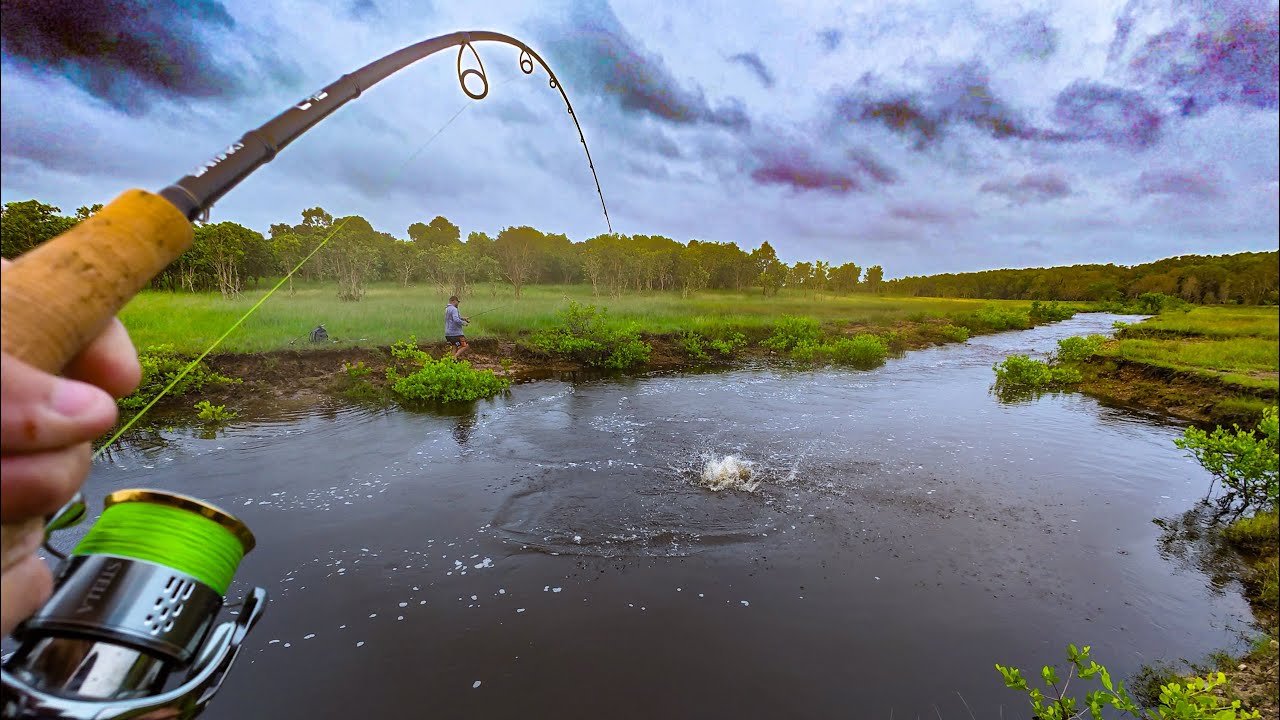
"They can handle a wide variety of environments, which is part of what makes them successful in various waters,"
Several premier destinations have emerged as hardhead catfish hotspots across the Gulf Coast. Mobile Bay, Alabama, draws anglers with its brackish waters near the mouth and productive causeway structures. Corpus Christi Bay, Texas, offers abundant structure and numerous fishing piers providing easy access for anglers of all skill levels. Louisiana's coastal marshes present intricate networks of passes and waterways that concentrate fish populations, while Tampa Bay, Florida, boasts prolific populations near bridges with excellent shore access. Galveston Bay, Texas, rounds out the top destinations with its extensive estuary system delivering consistent action throughout the year.
Impact and Legacy
Impact and Legacy
Impact and Legacy
Timing plays a crucial role in hardhead catfish success. Dawn and dusk fishing sessions typically yield the most productive results, while night fishing also demonstrates significant potential. Tidal movements particularly influence feeding behavior, with incoming tides often stimulating activity as they draw baitfish and crustaceans into estuarine areas where hardheads position themselves for ambush feeding.
Seasonal patterns reveal distinct opportunities for dedicated anglers. Spring and fall emerge as exceptional periods, with rising temperatures triggering increased fish activity. Summer maintains reliable fishing with consistent catches, while winter presents varying conditions—slower action in northern regions but maintained productivity in southern waters.
As opportunistic bottom feeders, hardhead catfish have evolved sophisticated hunting strategies that rely primarily on taste and smell rather than visual cues. This adaptation makes them particularly effective in murky water conditions where visibility remains poor. Their diverse diet encompasses small fish, shrimp, crabs, and dead organic material, making them responsive to various bait presentations.
The species' feeding habits make cut bait particularly effective, as their enhanced chemoreception allows them to locate food sources through scent trails in turbid water. This feeding strategy, combined with their tolerance for diverse environmental conditions, explains their consistent availability to anglers throughout much of the year.
For fishing enthusiasts seeking an introduction to saltwater angling or simply wanting reliable action, hardhead catfish represent an often-overlooked opportunity. Their combination of accessibility, consistent presence, and fascinating biological behaviors creates a compelling case for their inclusion in any Gulf Coast fishing adventure.