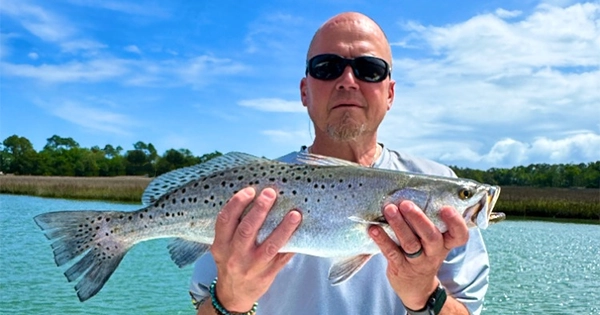
North Carolina's coastal waters are home to one of the state's most beloved yet frustrating gamefish: the speckled trout. Known scientifically as spotted seatrout, these inshore predators have earned a reputation among anglers as both rewarding catches and masters of inconsistency.
"When everything lines up, speckled trout can be easy to catch. When it doesn't, they can ignore baits even when fish are clearly present," explained a seasoned North Carolina fishing expert, highlighting the challenge that keeps anglers coming back for more.
These adaptable fish have established themselves throughout the state's extensive estuarine system, inhabiting sounds, rivers, and coastal structures from the renowned Outer Banks down to the South Carolina border. In Brunswick County's Ocean Isle Beach area, speckled trout maintain a year-round presence, with prime locations including the Shallotte River, Lockwoods Folly, and sections of the Intracoastal Waterway.

However, success in targeting these fish requires understanding their moods, which shift dramatically based on seasonal changes, water temperature fluctuations, tidal phases, and fishing pressure. This variability has made speckled trout both a favorite target for experienced anglers seeking a challenge and a source of frustration for newcomers to the sport.
**Identifying Your Catch**
Proper identification becomes crucial given North Carolina's specific regulations governing speckled trout, particularly with slot limits and mandatory catch-and-release practices now in effect. These fish display several distinctive characteristics that set them apart from similar species: a substantial mouth equipped with prominent canine-like teeth, a soft dorsal fin, and a mouth interior that appears yellowish in larger specimens.
Most notably, speckled trout bodies are covered with numerous black spots scattered along their backs and tails in an irregular pattern, rather than following any systematic arrangement. "Coloration varies from silver to greenish or bronze depending on water clarity, forage, and habitat," noted a local fisheries biologist.
"Coloration varies from silver to greenish or bronze depending on water clarity, forage, and habitat,"
The confusion often arises between speckled trout and their close relative, the weakfish, particularly among novice anglers. However, as one fishing guide explained, "speckled trout are far more abundant in NC estuaries, so anglers will mostly encounter them unless in specific situations." Weakfish tend to be thinner in profile and display faint wavy lines rather than the prominent black spots characteristic of speckled trout.
**Starting Simple**
For those new to pursuing speckled trout, fishing experts recommend a back-to-basics approach that focuses on fundamental skills before advancing to more complex strategies. "Ignore solunar tables initially and learn tide and presentation first," advised a veteran fishing captain, emphasizing the importance of mastering core techniques.
"Ignore solunar tables initially and learn tide and presentation first,"
Race Results
Race Results
Race Results
Beginners should concentrate their efforts in shallow waters ranging from 2 to 4 feet deep, particularly around grass edges, creek mouths, and dock structures where trout commonly congregate to feed. Timing plays a crucial role, with moving tides generally producing better results than slack water periods when fish activity typically decreases.
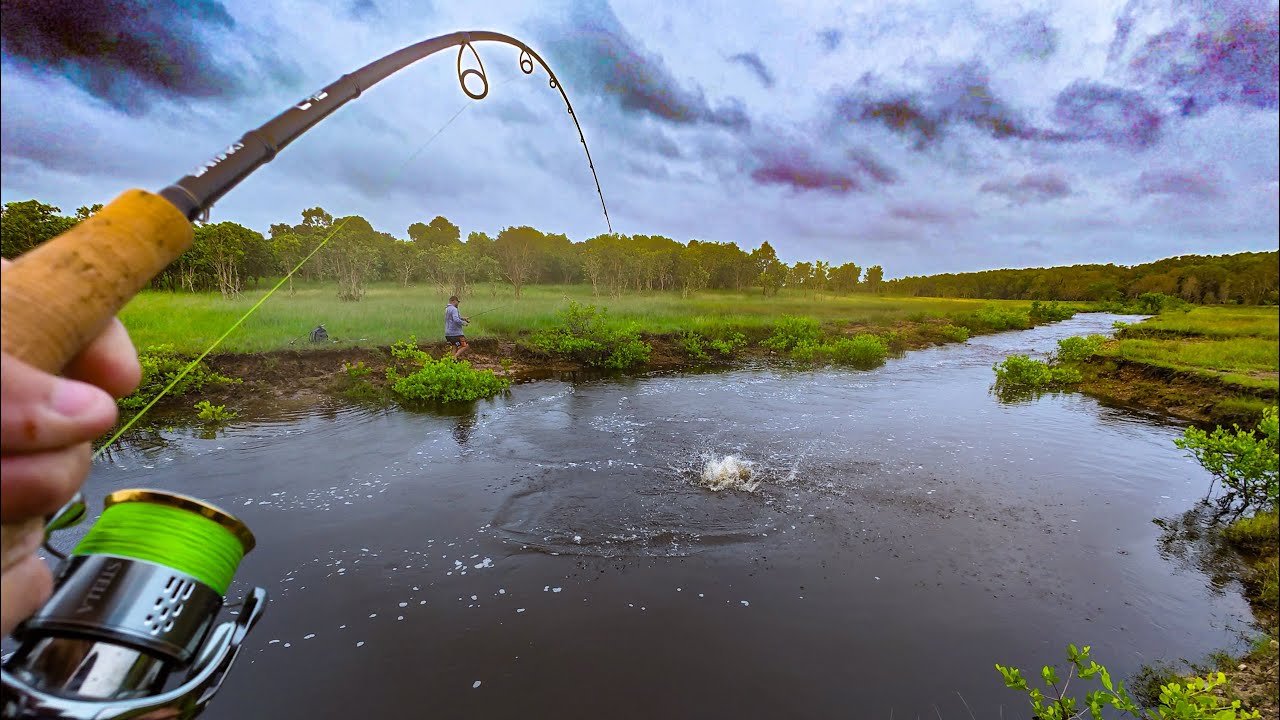
A simple setup using a Popping Cork or Slip Float paired with live shrimp or minnows often proves most effective for newcomers. "Once you're consistently catching trout, you can refine bait selection, timing, and strategy," added an experienced local angler. The accessibility of speckled trout fishing extends beyond boat-based efforts, with many successful anglers finding fish while wading, shore fishing, or casting from docks along the Intracoastal Waterway.
"Once you're consistently catching trout, you can refine bait selection, timing, and strategy,"
**Regulatory Changes Shape Modern Fishing**
North Carolina's approach to speckled trout management has evolved significantly in recent years, with 2026 regulations reflecting the state's commitment to sustainable fishing practices. "The introduction of slot limits on trout has fundamentally changed how trout are handled in NC waters," noted a fisheries manager.
"The introduction of slot limits on trout has fundamentally changed how trout are handled in NC waters,"
Current regulations set the daily bag limit at three fish per angler, with a slot size requirement of 14 inches to 20 inches in total length. The rules do allow anglers to keep one fish over 26 inches, acknowledging the desire to harvest trophy-sized specimens while protecting the important breeding population.
These regulatory changes have placed new emphasis on proper fish handling techniques, particularly for catch-and-release situations involving juvenile fish or those exceeding the slot limit. Anglers are advised to minimize air exposure, support fish horizontally during handling, and release protected fish quickly back into the water to maximize survival rates.
Impact and Legacy
Impact and Legacy
The North Carolina Division of Marine Fisheries continues to monitor speckled trout populations closely, with regulations subject to updates including potential seasonal closures following harsh winter conditions that can impact fish survival.
**The Trophy Quest**
By the Numbers
For those anglers seeking trophy specimens, the pursuit of record-class speckled trout represents the ultimate challenge. The current world record stands at an impressive 17 pounds, 7 ounces, though this massive specimen was caught in Florida waters, setting a benchmark that North Carolina anglers continue to chase in their home waters.
As speckled trout fishing continues to evolve in North Carolina, the combination of abundant fish populations, diverse fishing opportunities, and thoughtful management practices ensures these challenging gamefish will remain a cornerstone of the state's recreational fishing scene for generations to come.