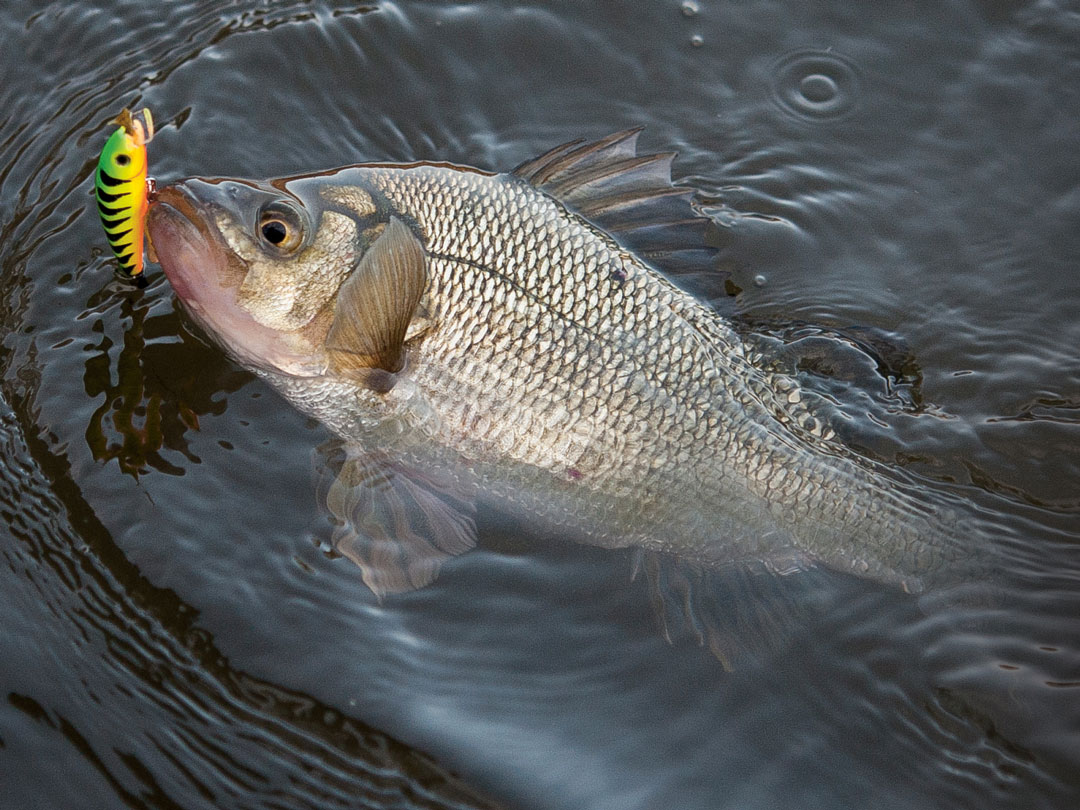
While most anglers hang up their rods when winter temperatures plummet, dedicated fishermen in New Jersey are discovering that white perch fishing remains surprisingly productive during the coldest months of the year.
Local angler Dave Showell recently demonstrated this point while navigating the frigid waters of the Mullica River on a day when air temperatures hovered around 25 degrees. "What was I doing out here?" Showell mused aloud, clearly relishing the thrill of fishing when most people are reluctant to leave the warmth of their homes.
Despite the bone-chilling conditions, Showell's persistence paid off with impressive white perch catches weighing between 1 to 2 pounds each. The fish were actively feeding despite the icy conditions, proving that winter can offer substantial rewards for anglers willing to tackle the harsh elements.

**Prime Locations and Timing**
Successful winter perch fishing begins with understanding where and when to target these schooling fish. The primary regions for white perch in New Jersey span South Jersey, specifically from Toms River to Cape May. Popular fishing destinations include Absecon Bay, Great Egg Harbor, Mullica River, Cohansey River, and Tuckahoe River.

"White perch are schooling fish, and when the bite is on, you can often catch them two at a time," Showell explained, emphasizing the abundance anglers might encounter when they locate active schools.
"White perch are schooling fish, and when the bite is on, you can often catch them two at a time,"
These fish typically thrive when water temperatures range from 40 to 48 degrees, but they're known to continue feeding even through ice in back-bay ponds and brackish coves. While some anglers attempt ice fishing for white perch, experts caution that saltwater-affected ice poses significant safety risks regardless of thickness.
Career Journey
Career Journey
Career Journey
The average size for white perch ranges between 8 and 10 inches, making any fish approaching 1 pound a noteworthy catch. Unlike traditional dawn fishing, winter white perch fishing often produces better results during late mornings and early afternoons on sunny days, particularly during outgoing tides. Showell advised targeting shallower dark mudflats where the sun can warm the water rather than rising early to fish at first light.
**Mastering the Chumming Technique**
Attracting larger schools of white perch requires mastering the art of chumming. This technique involves creating a steady stream of bait to entice fish and generate feeding activity.
"Chumming with grass shrimp will bring white perch schools right to the boat and keep them there," Showell explained. His approach involves anchoring on a ledge where the channel meets a flat, then strategically tossing out handfuls of grass shrimp to create an attractive scent trail.
"Chumming with grass shrimp will bring white perch schools right to the boat and keep them there,"
Consistency proves crucial in this technique. Any gap in the chumming process may cause perch to lose interest and disperse. Showell also suggested enhancing the attraction by adding drops of Pro-Cure Shrimp Oil to further draw in the fish, highlighting the importance of maintaining an inviting feeding environment throughout the fishing session.
**Equipment and Bait Selection**
Effective white perch fishing requires specific rigging and bait choices. A standard perch rig consists of a high-low pill-float rig equipped with size 4 to 6 hooks and a 1-ounce bank sinker. For fish foraging near the bottom, lighter jigs work well, particularly 1/16- to 1/8-ounce Spro Phat Fly lures.
"This rig allows for a double-header and reduces the chances of losing bait to pesky nibblers," Showell noted, showcasing the efficiency of a properly tied high-low rig.
"This rig allows for a double-header and reduces the chances of losing bait to pesky nibblers,"
Float rigs can help anglers identify where perch are most active in the water column. Setting multiple rods at different depths allows for quick adjustments based on fish behavior and feeding patterns.
Shrimp consistently proves to be the most effective bait, whether threading a full shrimp on the hook or creating a shrimp ball by adding several pieces. Alternative bait options include bloodworms or scent-infused Fishbites bloodworms, which provide an appealing substitute for traditional live baits.
**Cold Weather Rewards**
Race Results
Race Results
Winter white perch fishing in New Jersey challenges anglers to embrace harsh conditions in exchange for potentially impressive results. The key lies in proper preparation, understanding fish behavior during cold months, and maintaining persistence when conditions seem less than ideal.
For those willing to venture out during winter's grip, the combination of proper technique, strategic location selection, and effective chumming can lead to memorable fishing experiences. While the frigid temperatures may deter casual anglers, dedicated fishermen like Showell prove that winter's chill often leads to rewarding catches for those prepared to brave the elements.
The winter white perch season demonstrates that productive fishing doesn't end when temperatures drop – it simply requires different strategies and a willingness to adapt to challenging conditions.