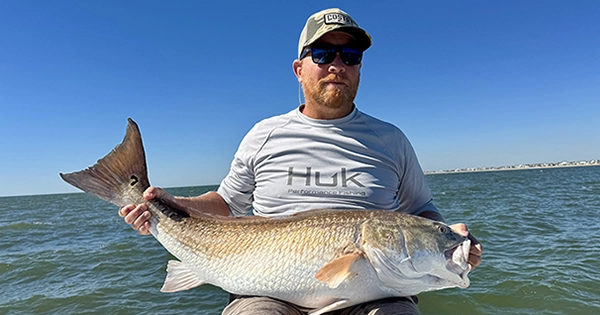
Redfish, commonly known as Red Drum, hold a prominent place in North Carolina's fishing scene, earning recognition as the state's official saltwater fish. These inshore gamefish thrive in estuaries, tidal rivers, and the tranquil waters behind barrier islands, making them an essential target for anglers.
"When you hook one on light tackle, you’ll know it quick — hard runs, and real power," said a local charter captain who specializes in pursuing these remarkable fish on the waters of Ocean Isle Beach. This excitement is part of what keeps fishing enthusiasts coming back for more, regardless of the season.
"When you hook one on light tackle, you’ll know it quick — hard runs, and real power,"
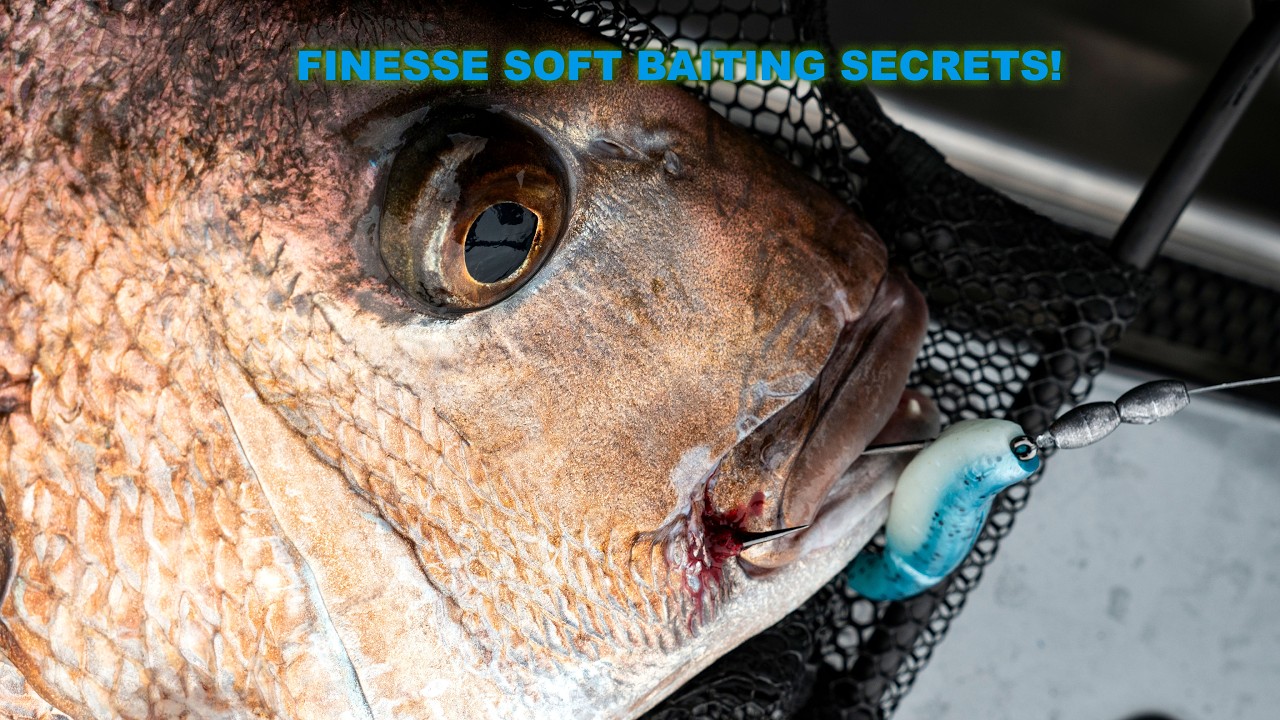

In North Carolina, redfish can be found year-round. However, their habits and locations change significantly with fluctuations in water temperature, bait availability, and changing seasons. During spring and summer, these fish often disperse across shallow flats and creek mouths, taking advantage of the warmer waters.
Fall is regarded as the prime time for redfish anglers. "Bait stacks up, fish feed heavy, and schools can seem like they’re everywhere," the captain explained, emphasizing the abundance of redfish during this time. Even winter months can yield rewarding experiences; deeper, protected areas often see groups of redfish finding comfort in stable conditions.
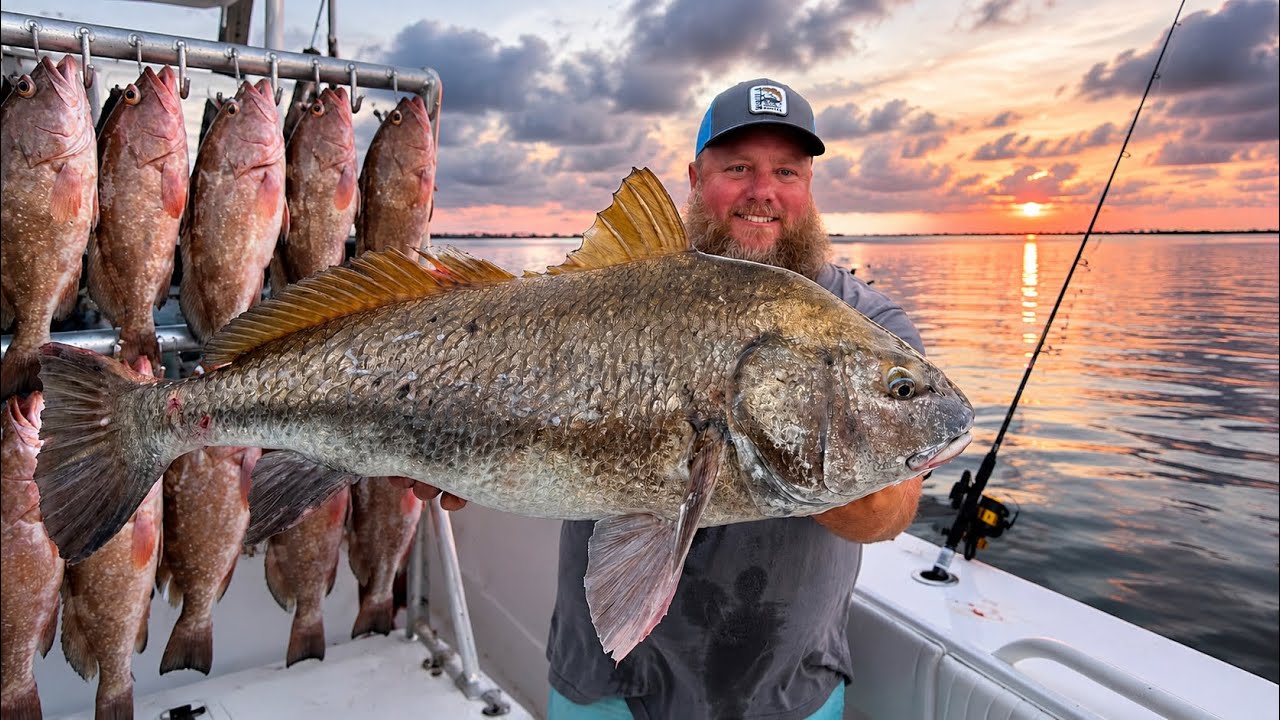
"Bait stacks up, fish feed heavy, and schools can seem like they’re everywhere,"
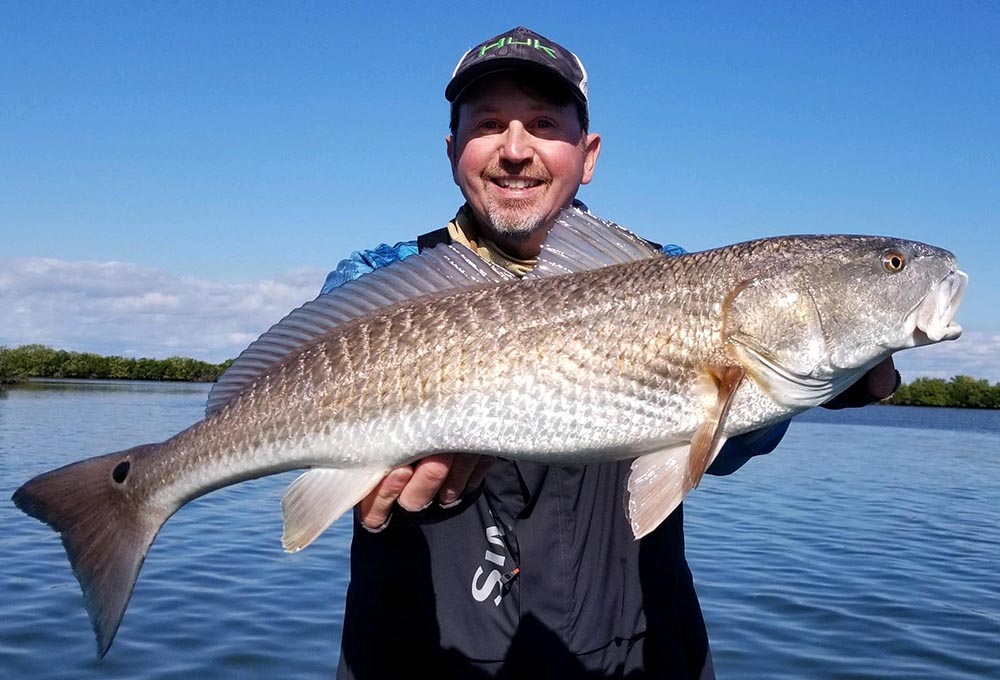
The size of redfish caught in North Carolina typically falls within the 18 to 27 inches range, categorized as slot fish. During the fall, larger specimens known as Bull Reds or Old Drum make an appearance, with some reaching ages over 40 years. "Redfish under slot size are typically referred to as Puppy Drum," the captain noted, providing clarity on the nomenclature used by anglers.
"Redfish under slot size are typically referred to as Puppy Drum,"
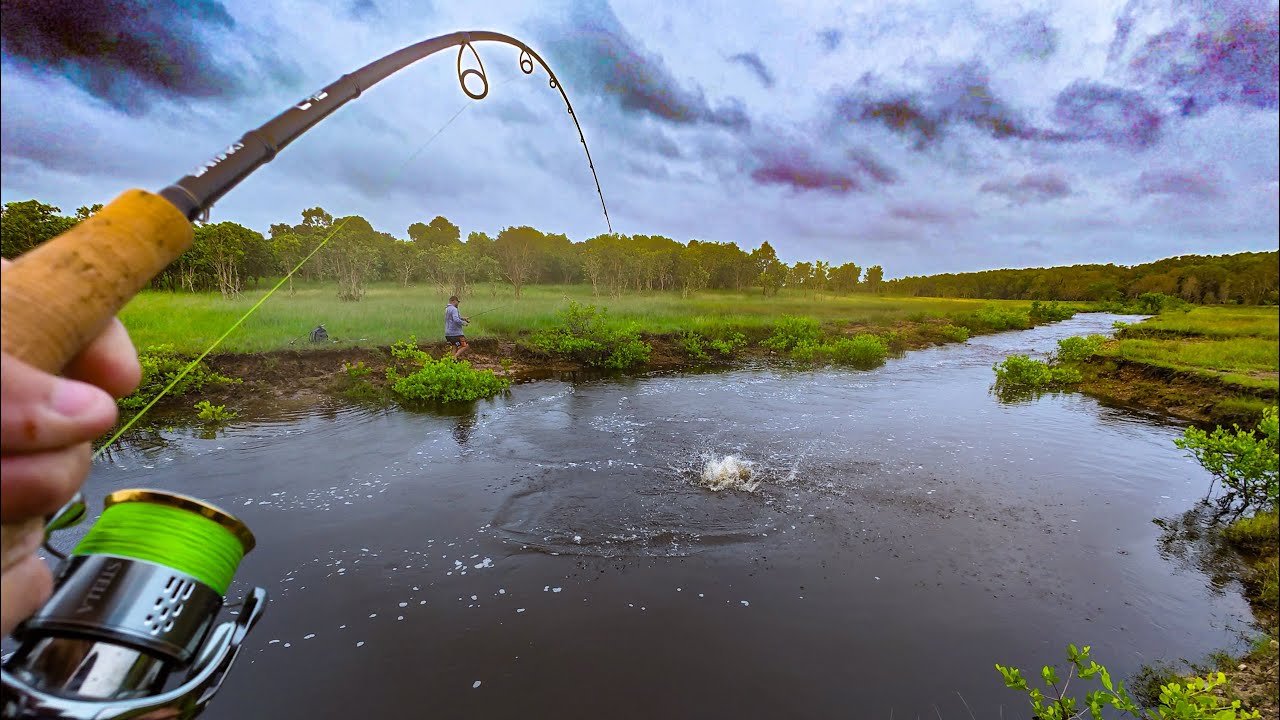
When it comes to identifying redfish, several characteristics make them stand out among the inshore fish in North Carolina. "Their bronze-to-copper body color, broad tail, and often one or more black spots near the base of the tail make them easy to recognize," the captain explained. Despite being referred to by various names, such as puppy drum and bull drum, they all refer to the same species in different life stages.
"Their bronze-to-copper body color, broad tail, and often one or more black spots near the base of the tail make them easy to recognize,"
Anglers typically catch redfish measuring between 13-24 inches, with the potential for larger catches in certain areas. However, care should be taken to differentiate them from croakers, which can sometimes confuse fishermen due to their similar shapes and colors, albeit lacking the distinctive spots.
"The broad, powerful tail of the redfish is built for short bursts and strong runs in current," the captain added. Its slightly downturned mouth is adept at foraging for crabs and shrimp along the bottom, while the tail spot variations serve as quick identification markers. Color can vary based on environmental factors, with fish from muddy marshes appearing darker than those from clean, sandy waters.
"The broad, powerful tail of the redfish is built for short bursts and strong runs in current,"
Career Journey
Career Journey
Career Journey
Regarding fishing locations, redfish can be found thriving in nearly all inshore systems that exhibit tides and provide bait and structure. These fish are constantly on the move, influenced by water temperature, salinity, and food availability. "Your best odds come when you’re fishing areas that naturally funnel bait and concentrate current," the captain advised.
"Your best odds come when you’re fishing areas that naturally funnel bait and concentrate current,"
Ideal spots for catching redfish include open flats during warmer months, where they tend to gather to feed. "Inlets, jetties, and deep tidal channels can produce bigger fish and seasonal pushes of red drum," he noted, with fall and winter proving to be prime times for these productive locations.
"Inlets, jetties, and deep tidal channels can produce bigger fish and seasonal pushes of red drum,"
Additionally, river mouths where freshwater mixes with saltwater, as well as ICW edges and drop-offs, are hotspots for redfish activity. In these areas, it becomes crucial to capitalize on the natural movement of bait along edges and transitions, where redfish are likely to hunt.
For those looking for a comprehensive understanding of redfish and North Carolina’s inshore fishing landscape, the guided trips offered by experienced charters around Ocean Isle Beach present an excellent opportunity. Aspiring anglers can learn not just how to catch redfish, but why they are revered as a cornerstone of the state’s vibrant inshore fishery.
As fishing enthusiasts continue to explore the waters of North Carolina, understanding the characteristics and behaviors of redfish will remain the key to successful angling throughout the seasons.